



For many people, the hardest part of addiction recovery is not admitting something needs to change. It is figuring out how to keep moving forward once the immediate crisis has passed.
A detox stay, hospital visit, or short-term treatment program can be an important first step. Sometimes it is the step that saves a life. But for many men, sobriety and stability are not built in 30 days. Real recovery usually takes much longer than that.
That is one of the reasons residential addiction recovery BC programs continue to matter so deeply. Recovery is rarely just about removing substances. It is about rebuilding routines, relationships, responsibility, and the ability to live differently over time.

Detox Helps You Stop. Recovery Helps You Rebuild.
Detox and early treatment are designed to help someone become physically stable and safe. That matters. Without that first step, many people never get the chance to begin recovery at all.
But addiction often affects far more than physical health. It can damage trust within families, disrupt employment, isolate people from healthy relationships, and create patterns of thinking and coping that do not disappear overnight.
Many men leave short-term programs genuinely wanting a different life, only to return to the same pressures, habits, environments, or relationships that existed before treatment began. Without ongoing support and structure, it becomes incredibly difficult to maintain momentum.
That is why conversations around long-term sobriety for men have become increasingly important. More recovery organizations are recognizing that staying sober often requires more than short-term intervention. It requires time, accountability, consistency, and support that continues after the initial crisis has passed.
Why Time Matters More Than Most People Realize
One of the biggest misconceptions about addiction recovery is the idea that someone should quickly “go back to normal” after treatment.
In reality, many men are rebuilding almost every part of life at the same time. They may be learning how to manage emotions without substances, rebuild trust with family, create healthier routines, find work again, or reconnect with a sense of purpose they may not have felt in years.
None of that happens instantly.
Long-term residential addiction recovery BC programs give men something many have not had for a very long time: stability. Not perfection. Not a quick fix. Stability.
That consistency matters more than people realize. Healthy habits are usually built through repetition. Accountability becomes stronger when it is practiced daily. Confidence grows when small responsibilities are handled consistently over time.
For many men pursuing long-term sobriety for men, the first few months are only the beginning of understanding what recovery actually looks like.
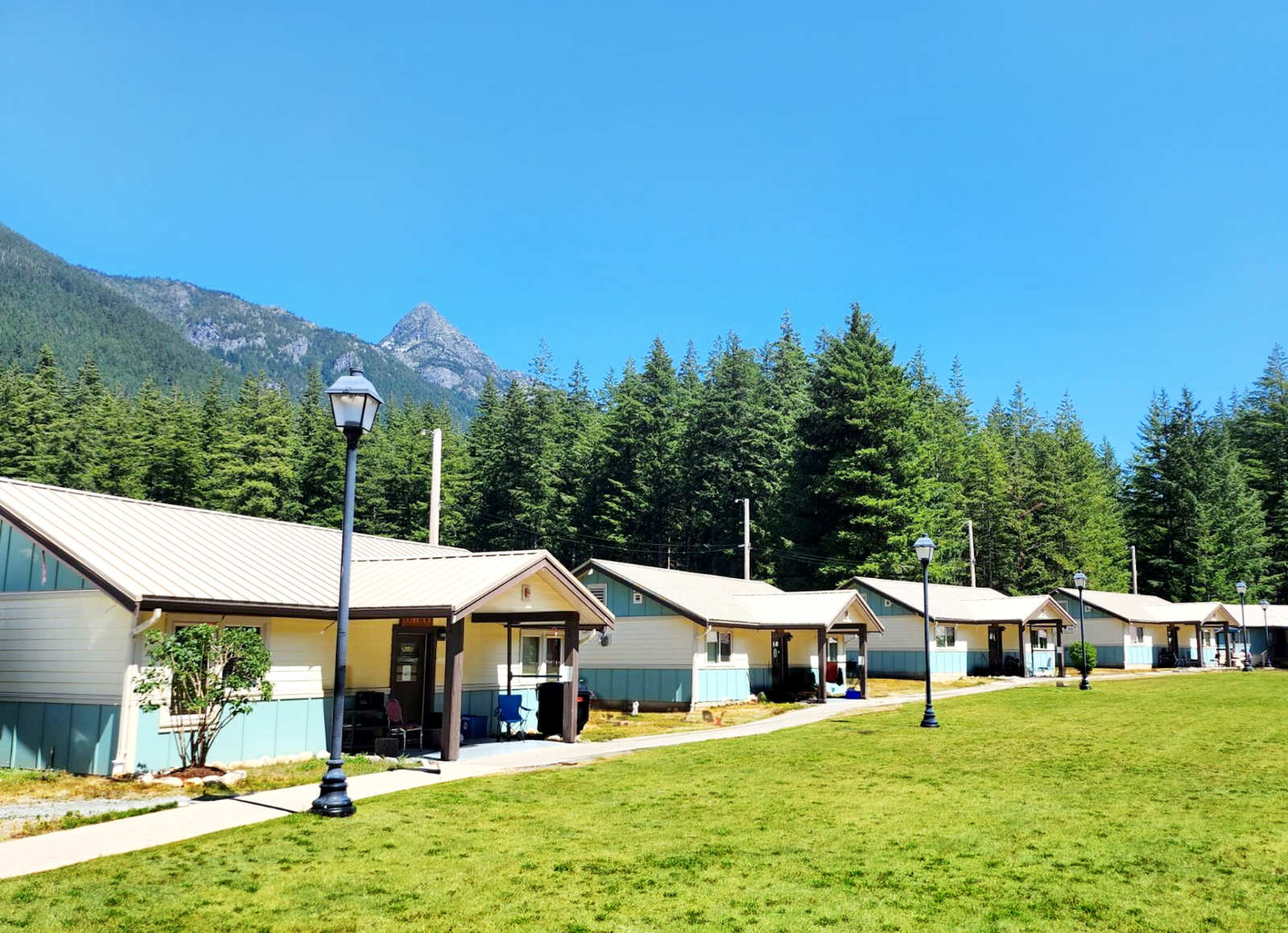
Recovery Works Better in Community
A healthy recovery environment can change everything.
Many long-term recovery programs create structure without making men feel like they are simply being managed or controlled. The goal is helping men rebuild a foundation they can eventually carry into independent life.
That often includes shared responsibilities, routines, mentorship, accountability, and support from others who understand the recovery process firsthand.
Community plays a major role in long-term recovery. Addiction tends to isolate people. Recovery tends to reconnect them.
Being surrounded by people who understand the struggle creates a different kind of environment than trying to recover completely alone. Men begin to realize they are not the only person who has struggled, lost relationships, or wondered whether lasting change was possible.
That sense of connection can become one of the most important parts of the recovery process.
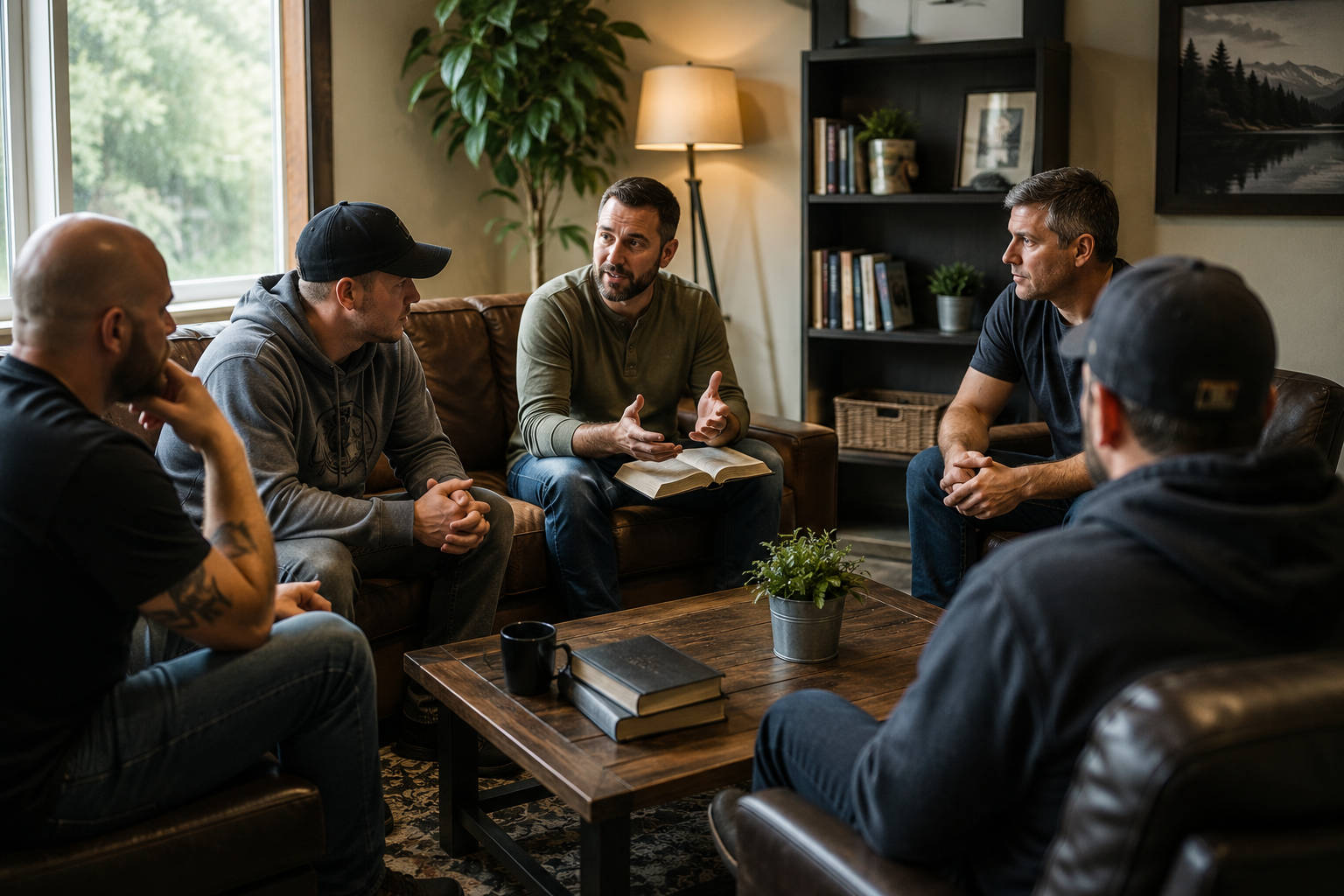
A Holistic Recovery Approach Goes Beyond Sobriety
Addiction recovery is not only physical. It affects emotional health, relationships, mental wellbeing, and daily life.
That is why many programs now take a holistic recovery approach rather than focusing only on abstinence. Staying sober matters, but long-term recovery also involves learning how to live differently overall.
For some men, that means rebuilding confidence. For others, it means learning healthier communication, responsibility, emotional regulation, or reconnecting with family.
At Joshua House, recovery is approached in a practical and supportive way. The focus is not on perfection. It is on helping men move forward with structure, accountability, community support, and a stable environment designed for long-term growth.
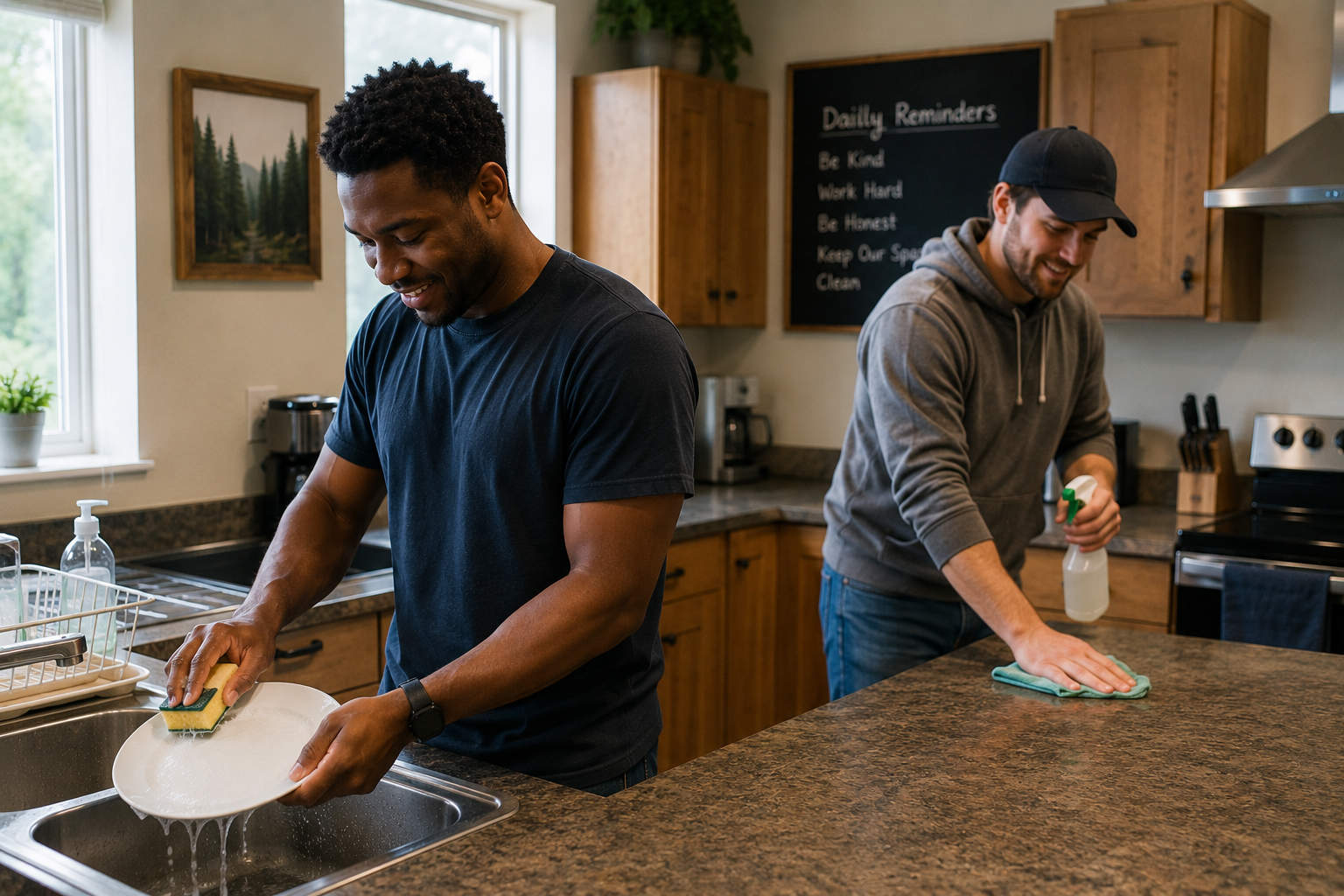
Life Skills After Rehab Matter More Than People Think
Many men entering recovery are not only recovering from addiction. They are also trying to rebuild routines, work habits, relationships, and confidence in everyday responsibilities.
That is where life skills after rehab become so important.
Learning how to maintain a schedule, communicate effectively, contribute to a household, keep employment, and make healthier decisions all become part of the bigger recovery picture. These may sound like small things, but after years of instability, rebuilding those habits can take time and support.
Long-term recovery programs help create space for those skills to develop gradually instead of expecting immediate transformation overnight.
Recovery Is Usually a Longer Journey Than One Moment
There is often a strong focus placed on the moment someone decides to ask for help. That moment matters. It can completely change the direction of a life.
But recovery is usually not defined by one emotional breakthrough or one short-term stay. More often, it is built quietly over time through consistency, accountability, support, and the willingness to keep going even when progress feels slow.
Programs like Joshua House Abbotsford recognize that reality. Recovery is not treated as a quick reset button. It is approached as a longer journey of rebuilding stability, community, and purpose one step at a time.
For men looking for residential addiction recovery BC programs that focus on long-term sobriety for men, Joshua House provides an environment built around support, structure, accountability, and practical recovery that continues beyond the initial step.