


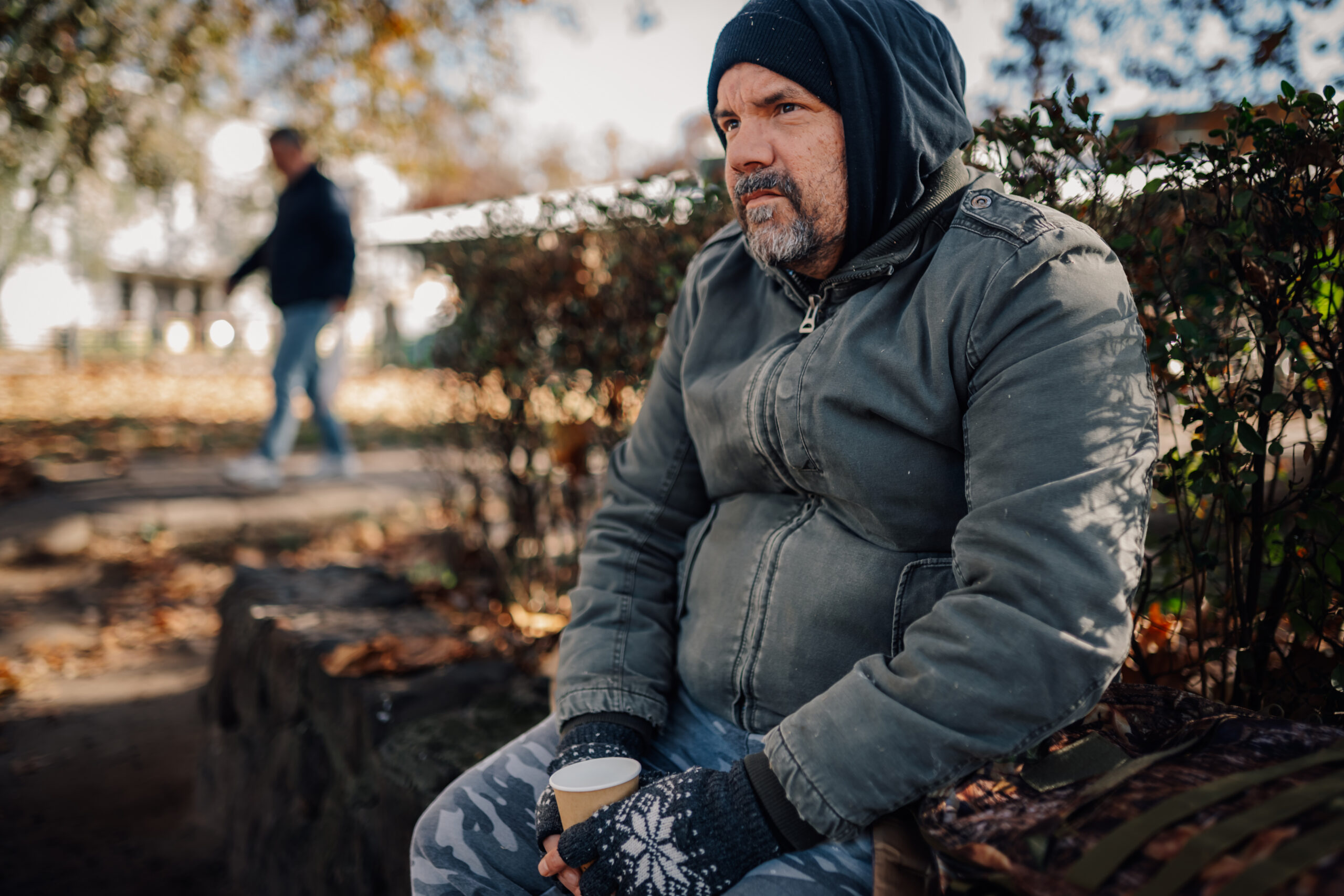
For many people, the idea of addiction recovery is tied to a familiar timeline: 30 days. Whether through movies, television, or stories they’ve heard, it’s easy to assume that someone enters treatment for a month and leaves ready to begin a new life.
In reality, recovery is rarely that simple.
A 30-day program can be an important starting point, providing a safe environment to begin healing and step away from active addiction. But lasting change often requires much more than a few weeks. Addiction affects nearly every part of a person’s life, including relationships, routines, physical health, emotional well-being, and sense of purpose. Rebuilding those areas takes time.
Long-term addiction recovery recognises that healing is a journey rather than a deadline. Instead of focusing only on stopping substance use, it creates space for people to develop the habits, skills, and support systems that help sustain recovery for years to come.
Why 30 Days Became the Standard
Many people are surprised to learn that the idea of a 28- or 30-day treatment program did not develop because experts determined it was the perfect amount of time for recovery. In many cases, those timelines evolved around practical considerations such as insurance coverage, workplace leave policies, and the availability of treatment beds.
That does not mean short-term treatment lacks value. For many individuals, it provides a critical opportunity to safely begin recovery, receive counselling, and establish a foundation for the work ahead. It can also be the first time someone experiences hope after living under the weight of addiction.
The important thing to remember is that beginning recovery and completing recovery are not the same thing. For many people, those first 30 days mark the beginning of a much longer process of rebuilding their lives.

Recovery Is About More Than Becoming Sober
One of the biggest misconceptions about addiction is that recovery simply means no longer using drugs or alcohol. While sobriety is an essential first step, it is only one part of a much larger picture.
Long-term addiction recovery often involves rebuilding areas of life that may have been damaged over months or even years. This can include learning healthy ways to manage stress, rebuilding trust with family members, developing consistent routines, improving communication, and discovering new ways to respond to challenges without turning to substances.
Many people also find themselves learning practical life skills that addiction may have interrupted. Daily responsibilities, financial management, maintaining employment, preparing meals, and caring for a home all contribute to building a stable future.
These changes cannot be rushed. Like any meaningful growth, they develop through practice, consistency, and support over time.
Healing Happens One Day at a Time
Addiction rarely develops overnight. It often grows gradually, shaping patterns of thinking, behaviour, and relationships over many months or years. Because those patterns become deeply ingrained, replacing them also takes time.
There is no single moment when someone suddenly has everything figured out. Instead, recovery is built through countless ordinary decisions made every day. Waking up on time. Keeping commitments. Asking for help. Choosing honesty. Learning from setbacks instead of giving up.
Progress may sometimes feel slow, but those small, consistent choices gradually create lasting transformation.
Recovery is not about becoming perfect. It is about continuing to move forward, even when the journey includes challenges.

The Value of Structure and Community
One reason residential recovery programs can be so effective is that they provide both structure and community during a time when many people need them most.
A healthy daily routine creates stability while new habits begin to take root. At the same time, living alongside others who are working toward similar goals reminds residents that they are not facing recovery alone.
Some of the benefits of a structured recovery environment include:
- Consistent daily routines that build stability and healthy habits.
- Accountability from staff, mentors, and fellow residents.
- Opportunities to develop responsibility through everyday tasks.
- Encouragement from people who understand the challenges of recovery.
- Time to focus on healing without many of the distractions and pressures of everyday life.
These experiences help replace old patterns with healthier ones while building confidence one step at a time.

Recovery Looks Different for Every Person
No two recovery journeys are exactly alike.
Some people benefit from outpatient counselling while continuing to live at home. Others require residential care that provides greater structure and support. Many continue receiving counselling, mentoring, or participating in support groups long after completing a formal program.
The length of recovery is not a measure of success or failure. Needing additional support does not mean someone is falling behind. Instead, it often reflects a willingness to invest in lasting change.
The goal is never to complete recovery as quickly as possible. The goal is to build a healthy, sustainable life that supports long-term wellness.

A Foundation for Lasting Change
At Joshua House, the focus is not simply on helping men stop using substances. The goal is to provide the time, structure, accountability, and encouragement needed to begin building a different future.
Through daily routines, practical responsibilities, mentorship, spiritual encouragement, and a supportive community, residents have the opportunity to develop habits that can continue long after they leave the program.
While every person’s journey is unique, lasting recovery is often built on the same foundations:
- Time to heal.
- Healthy relationships.
- Personal responsibility.
- Consistent routines.
- Hope for the future.
These foundations are not built in a single month. They are strengthened through daily choices, meaningful relationships, and a community that walks alongside each person as they move forward.
Recovery Is a Journey Worth Taking
Recovery is not defined by how quickly someone completes a program or reaches a particular milestone. It is measured by steady progress, renewed purpose, and the willingness to keep moving forward one day at a time.
Long-term addiction recovery acknowledges that meaningful change cannot be rushed. It recognizes that healing involves far more than becoming sober. It is about rebuilding a life with stability, healthy relationships, personal responsibility, and hope.
For individuals who are willing to do the work, and for communities willing to support them along the way, lasting recovery is possible. Every step forward, no matter how small it may seem, becomes part of a stronger foundation for the future.
Learn More About Joshua House
Recovery is about more than overcoming addiction. It’s about rebuilding a life with purpose, stability, and hope. If you’d like to learn more about Joshua House’s residential recovery program, support our mission, or discover ways to get involved, we’d love to connect with you. Together, we can help more men build a foundation for lasting recovery.
