


When someone is ready to seek freedom from addiction, knowing where to begin can feel overwhelming. Families may hear words such as detox, treatment, residential recovery, and sober living without fully understanding how these services differ. Each can play an important role, but they are not designed to accomplish the same thing.
Understanding Detox vs Residential Recovery can help men and their families make informed decisions about what kind of support is needed now and what should come next. Detox helps someone safely stop using substances, while residential recovery provides the time, structure, and support needed to begin rebuilding a life
What Is Addiction Detox?
Detox is the process of allowing drugs or alcohol to leave the body while withdrawal symptoms are monitored and managed. The experience can vary depending on the substance, the length and frequency of use, and the person’s overall health.
Some withdrawal symptoms can be serious or even dangerous. Anyone considering detox should speak with a qualified healthcare professional or addiction detox provider in BC rather than attempting to manage the process alone.
The primary purpose of detox is physical stabilization. It gives the body an opportunity to begin recovering from substance use and helps the individual reach a point where they can participate more fully in the next stage of recovery.
Completing detox is an important accomplishment. It takes courage to ask for help and face the discomfort and uncertainty of becoming sober. However, detox is only the beginning.
Why Detox Is Not the Same as Recovery
The distinction between Detox vs Residential Recovery becomes clearer when we consider what happens after substances have left the body.
Detox can address immediate physical dependence, but it does not automatically change the circumstances, habits, or struggles connected to addiction. A man may leave detox sober while still carrying grief, shame, broken relationships, unhealthy coping patterns, and uncertainty about how to move forward.
If he returns immediately to the same environment without ongoing support, he may encounter the same pressures and triggers that surrounded his substance use. This does not mean he lacks commitment or strength. It means addiction is complex, and healing usually requires more than a few days of physical stabilization.
Recovery takes time. It involves learning how to handle difficult emotions, accept accountability, rebuild trust, and make healthier decisions. It also means developing a new vision for life, one rooted in hope rather than the belief that the past will always determine the future.

What Is Residential Addiction Recovery?
Residential addiction recovery provides a safe, substance-free environment where participants can step away from everyday pressures and focus on building a stronger foundation.
When comparing Detox vs Residential Recovery, detox answers the immediate question, “How do I stop using safely?” Residential recovery begins addressing a much larger question: “How do I learn to live differently?”
A residential program provides consistent routines, supportive relationships, personal responsibilities, and opportunities for growth. Instead of returning immediately to old patterns, participants have time to practise new ones. They can begin learning what accountability, healthy community, and dependable daily structure look like.
Residential addiction recovery in BC is not simply about keeping someone away from drugs or alcohol. Its deeper purpose is to help people develop the habits, skills, and support systems that can sustain lasting change

What Comes After Detox?
Ideally, planning for what comes after detox should begin before the detox process is complete. Moving directly into an appropriate recovery program can help a person maintain momentum during a vulnerable period.
This is why Detox vs Residential Recovery should not be viewed as a choice between two competing options. For many people, they are two connected stages of the same journey. Detox helps someone become physically stable, and residential recovery helps that person begin doing the emotional, relational, spiritual, and practical work that sobriety makes possible.
Not everyone will follow an identical path. Individual needs, health concerns, readiness, and available support all matter. However, a clear next step can provide reassurance at a time when both the individual and his family may be uncertain about the future.
How Joshua House Helps Men Build a New Foundation
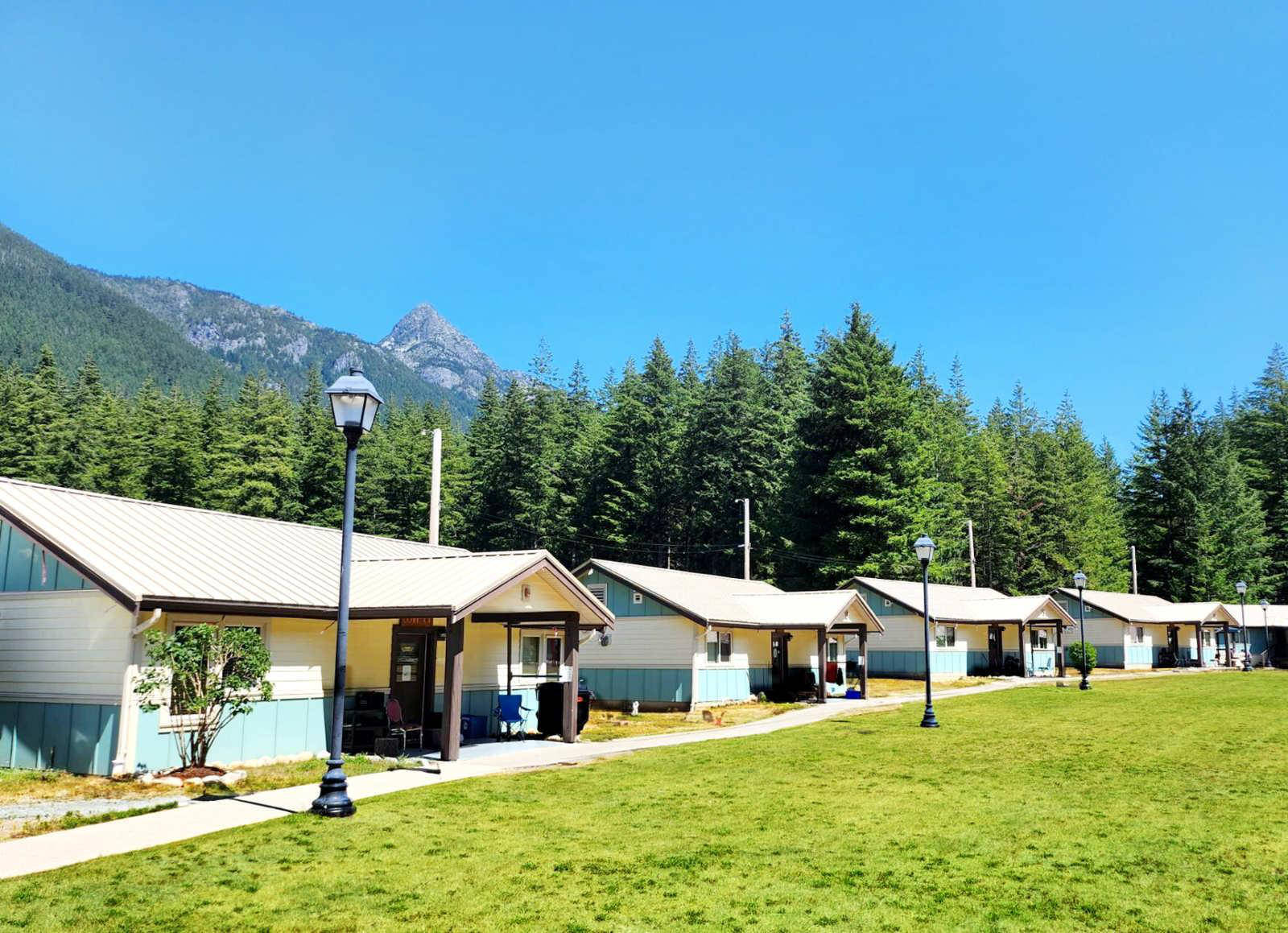
Joshua House is a long-term, faith-based residential recovery program for men. Our program provides a structured and supportive environment where men can continue moving forward after becoming sober.
At Joshua House, recovery is about more than avoiding substances. Men are encouraged to grow in faith, take responsibility for their choices, build healthy relationships, and discover that their lives still have meaning and purpose.
Daily structure is an important part of this process. Residents participate in the practical work of maintaining a household and caring for the properties where they live. They take turns preparing meals, cleaning, completing operational tasks, assisting with internal ministry events, and helping with property and facilities care.
These responsibilities may appear ordinary, but they help men develop consistency, reliability, teamwork, and confidence. Learning to follow through on a commitment, contribute to a household, and serve alongside others can become an important part of rebuilding a stable life.
The difference between Detox vs Residential Recovery is especially visible here. Detox helps clear the body of substances. Residential recovery gives men a place to practise living with responsibility, faith, honesty, and hope.
Recovery Happens in Community
Addiction often thrives in isolation. Recovery invites men back into healthy relationships where they can be known, supported, challenged, and encouraged.
At Joshua House, brotherhood helps remind residents that they do not have to carry every struggle alone. Men live alongside others who understand how difficult recovery can be. They learn to accept guidance, offer support, work through conflict, and celebrate progress together.
Faith is also central to the Joshua House program. We believe that no person is beyond the reach of God’s grace. A man’s past may be part of his story, but it does not have to define his future. Through faith, accountability, and community, men can begin to see themselves as people worthy of hope, healing, and a new beginning.
Taking the Next Step
Understanding Detox vs Residential Recovery can make the path forward feel less confusing. Detox is a necessary starting point for many men, but it is not the finish line. The days and months that follow provide an opportunity to build new habits, strengthen faith, repair relationships, and prepare for a healthier future.
If you or someone you love is considering residential addiction recovery in BC, Joshua House is here to help you understand the program and the admission process. Reaching out does not require you to have everything figured out. It simply means you are ready to ask what the next faithful step might be.
