



Addiction does not always look the way people expect it to. Someone can keep going to work, paying their bills, showing up for family events, and still be struggling with substance use that is becoming increasingly difficult to control.
For families, that can make it especially hard to know when to be concerned. You may wonder whether you are overreacting, whether things are really “that bad,” or whether the person you love simply needs more time to get things under control.
Recognizing the signs of addiction is not about putting a label on someone. It is about noticing when alcohol or drug use is beginning to affect a person’s health, relationships, responsibilities, safety, and ability to live their daily life.
When Substance Use Starts Changing Behaviour
Some of the earliest signs of addiction can appear in a person’s behaviour. They may become more secretive about where they have been, who they have been with, or how much they are drinking or using. Their routines may change, and activities or relationships that once mattered to them may gradually receive less attention.
Mood and personality changes can also become noticeable. Someone who was once patient may become unusually irritable. They may withdraw from family or friends, become defensive when substance use is mentioned, or seem increasingly anxious or unpredictable.
None of these changes automatically means someone has an addiction. However, when several changes happen together and substance use appears to be part of the pattern, it may be time to pay closer attention.
Health Canada offers additional information about signs of higher-risk drug and alcohol use and how to talk to someone about their substance use.

Physical Signs Can Be Easy to Explain Away
Physical changes can be another indication that substance use is becoming a problem. Sleep patterns may change significantly. A person may lose or gain weight, neglect their hygiene, appear unusually tired, or frequently seem unwell.
Tolerance can also develop, meaning a person needs more of a substance to experience the same effects. Dependence can bring withdrawal symptoms when the substance is reduced or stopped. Health Canada explains tolerance, dependence, withdrawal, and the substance-use spectrum.
Families sometimes overlook these signs of addiction because there is usually another possible explanation. Stress can affect sleep. Work can cause exhaustion. People lose weight for many reasons. It is often the overall pattern, rather than one individual symptom, that provides a clearer picture.

Relationships Often Feel the Effects
Addiction rarely affects only the person using drugs or alcohol. Over time, relationships can begin to change.
Trust may become harder to maintain. Promises may repeatedly be broken. Arguments about drinking or drug use may become more frequent. Family members may find themselves covering responsibilities, lending money, making excuses, or trying to prevent situations from falling apart.
This can be particularly difficult because helping someone you love feels natural. However, there is a difference between supporting someone and continually protecting them from the consequences of their substance use.
Recognizing these signs of addiction can help families understand that the situation may require more than another conversation, another promise, or another attempt to manage things at home.
When Everyday Life Becomes Harder to Manage
One of the clearest warning signs is when substance use begins interfering with everyday responsibilities.
Someone may start missing work, struggling financially, neglecting responsibilities at home, or abandoning commitments that once mattered to them. They may continue drinking or using despite consequences they can clearly see.
This is also where the question of when to go to rehab often begins. There is no single event that determines whether someone needs structured recovery support. A person does not have to lose everything before asking for help.
In fact, recognizing the signs of addiction before another crisis occurs can create an opportunity to choose a different direction.

You Do Not Have to Wait for Rock Bottom
The idea that someone must “hit rock bottom” before recovery can begin can leave families feeling powerless. It can also make the person struggling believe they are not yet “bad enough” to deserve help.
Neither is true.
If substance use is harming health, relationships, employment, finances, safety, or daily life, it is reasonable to start asking what kind of support may be needed. Health Canada notes that people do not need to have a diagnosed addiction before seeking help for concerns about their substance use.
Sometimes the signs of addiction are obvious. Other times, it is simply the growing realization that the same problems keep happening despite sincere promises that things will change.
Moving Forward With the Right Support
Knowing how to get help for addiction can feel overwhelming, particularly when a family has already tried everything it knows how to do.
Structured recovery provides something that can be very difficult to create at home: consistency, accountability, community, and time away from the routines and circumstances connected to substance use. It can give a person space to understand what has been happening, rebuild healthy habits, strengthen relationships, and begin moving forward.
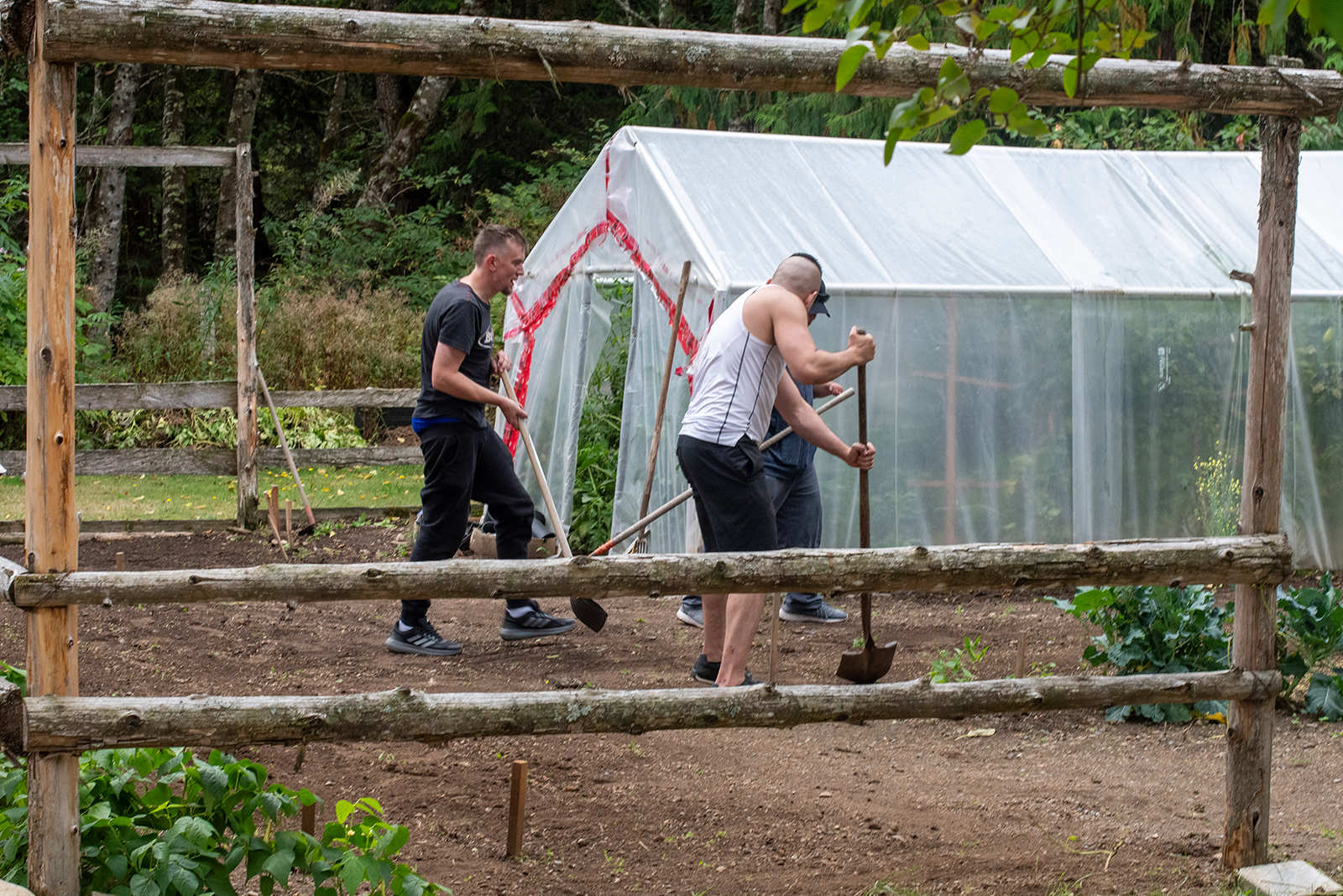
At Joshua House, we believe recovery is about more than stopping the use of drugs or alcohol. It is about helping men rebuild their lives with faith, responsibility, practical skills, healthy relationships, and a community that walks alongside them.
Recognizing the signs of addiction can be painful, but it can also be the beginning of something different. Asking for help does not require having every answer. Sometimes it begins with acknowledging that what is happening now is no longer working and that it is time to find another way forward.

Ready to Talk About What Comes Next?
If you are concerned about your own substance use or someone you love, you do not have to figure out the next step alone. Learn more about the Joshua House recovery program, reach out to talk with our team, or discover how you can support men who are rebuilding their lives through recovery.