


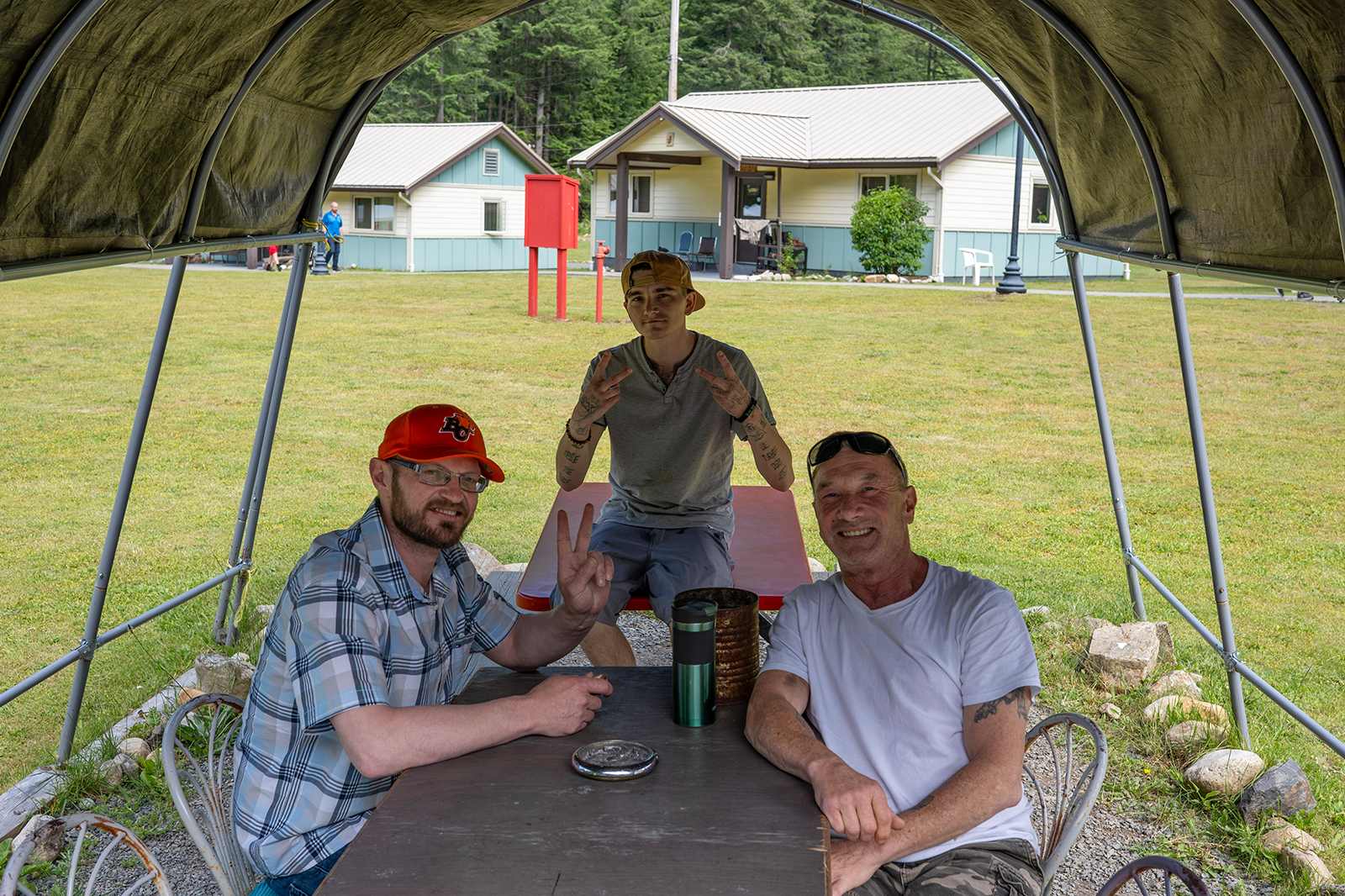
If you or someone you love is thinking about entering a residential addiction recovery program, you’ve probably got a few questions. What will you do all day? Is it mostly counselling and meetings? Will you have any free time? And what’s it like living with a group of people you’ve never met?
Families often have just as many questions.
Knowing what happens in rehab can make the idea of entering a program a little less intimidating. While every program runs differently, most have a daily routine that includes recovery activities, shared responsibilities, recreation, and time to connect with others.
At Joshua House Recovery Ministries, the focus is on helping men build healthier habits, take responsibility for their lives, and develop the skills they’ll need moving forward.
Why Does Having a Daily Routine Matter?
When addiction takes over, everyday routines can fall apart. Regular meals, a decent night’s sleep, and keeping up with responsibilities may become difficult.
That’s one reason structure is such an important part of residential recovery.
Having a regular schedule takes some of the guesswork out of the day. You know when meals happen, what’s expected of you, and when it’s time for activities or personal time.
It might not sound particularly exciting, but there’s real value in getting back into a routine. Over time, those small, everyday habits can help men feel more confident and prepared to manage life outside the program.
What Do Mornings Look Like?
Most residential recovery programs start the day at a regular time. Men get up, get ready, have breakfast, and prepare for whatever activities are scheduled.
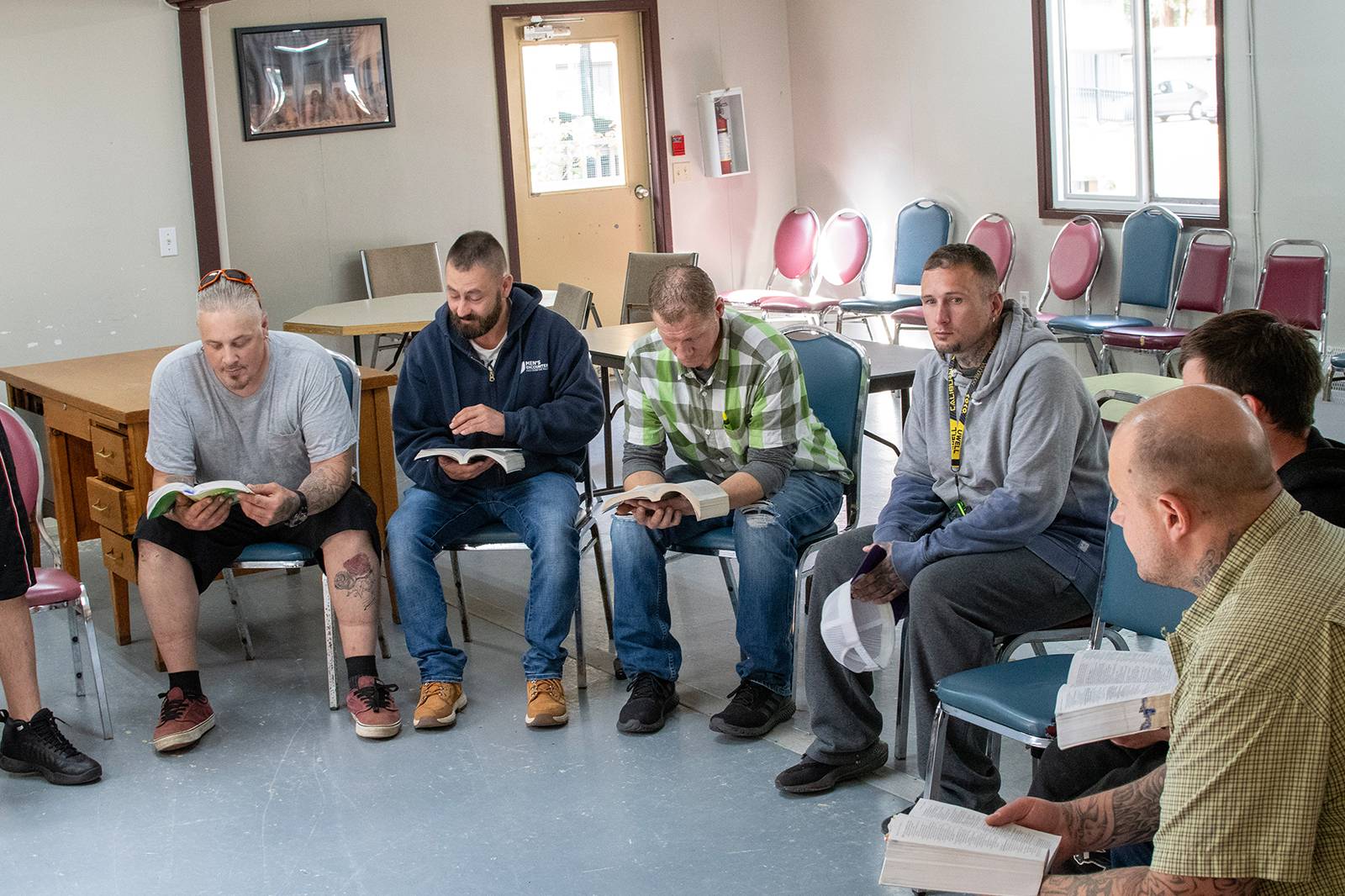
Depending on the program, mornings might include prayer, personal reflection, group meetings, or setting goals for the day.
At Joshua House, faith and community are important parts of the recovery environment. You can learn more about how these fit into the different stages of Joshua House’s residential recovery program.
For someone wondering what happens in rehab, the morning routine might seem pretty ordinary. And that’s partly the point. Getting up on time, eating breakfast, and having a plan for the day are habits worth rebuilding.
Counselling, Group Discussions, and Recovery Education
When people think about what happens in rehab, counselling is usually one of the first things that comes to mind.
And yes, talking about addiction and the challenges that come with it is an important part of recovery. But there’s more to these activities than simply discussing the past.
Depending on the program, men may participate in individual counselling, group discussions, and educational sessions that explore topics such as managing emotions, recognizing triggers, improving communication, and rebuilding relationships.
Group discussions can be particularly valuable. Hearing how someone else has handled a difficult situation may offer a different perspective or a practical idea worth trying.
The goal is to help men better understand their behaviour and develop healthier ways to handle the challenges they’ll face outside the program.
Everyone Has Responsibilities
Living in a residential recovery program means sharing space with other people. And just like any household, there are things that need to get done.
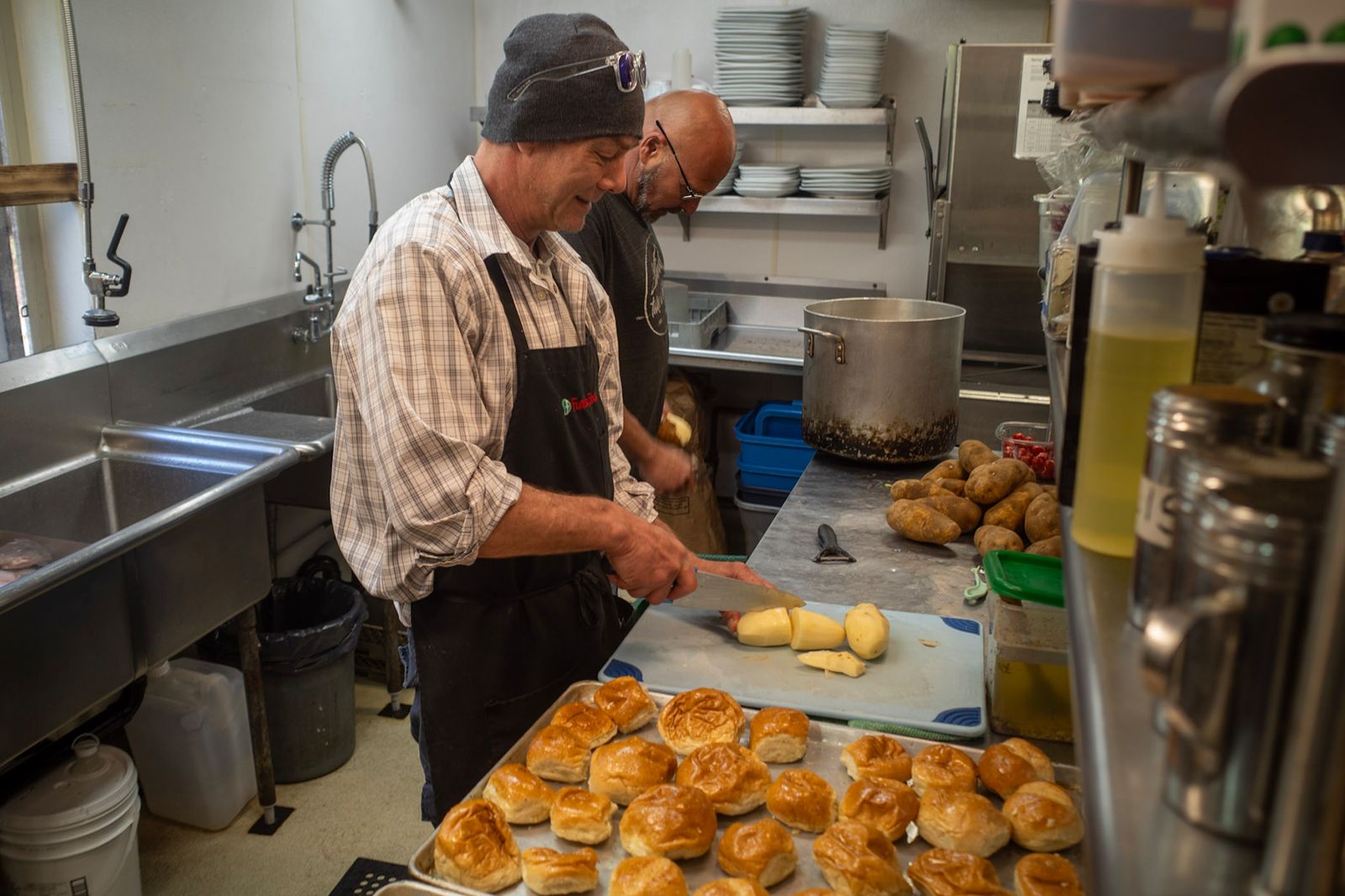
Men may help prepare meals, clean shared spaces, take care of household chores, or pitch in with other daily tasks.
These aren’t simply jobs to keep everyone busy. They’re opportunities to practice responsibility, teamwork, and accountability.
Following through on a commitment, showing up when you’re expected, and doing your part all matter.
When you’re learning what happens in rehab, it’s worth remembering that recovery doesn’t happen only during formal sessions. Sometimes, the most useful lessons come from ordinary everyday experiences.
Is There Time for Exercise and Recreation?
Absolutely. Recovery requires work, but that doesn’t mean every hour needs to be filled with serious conversations.
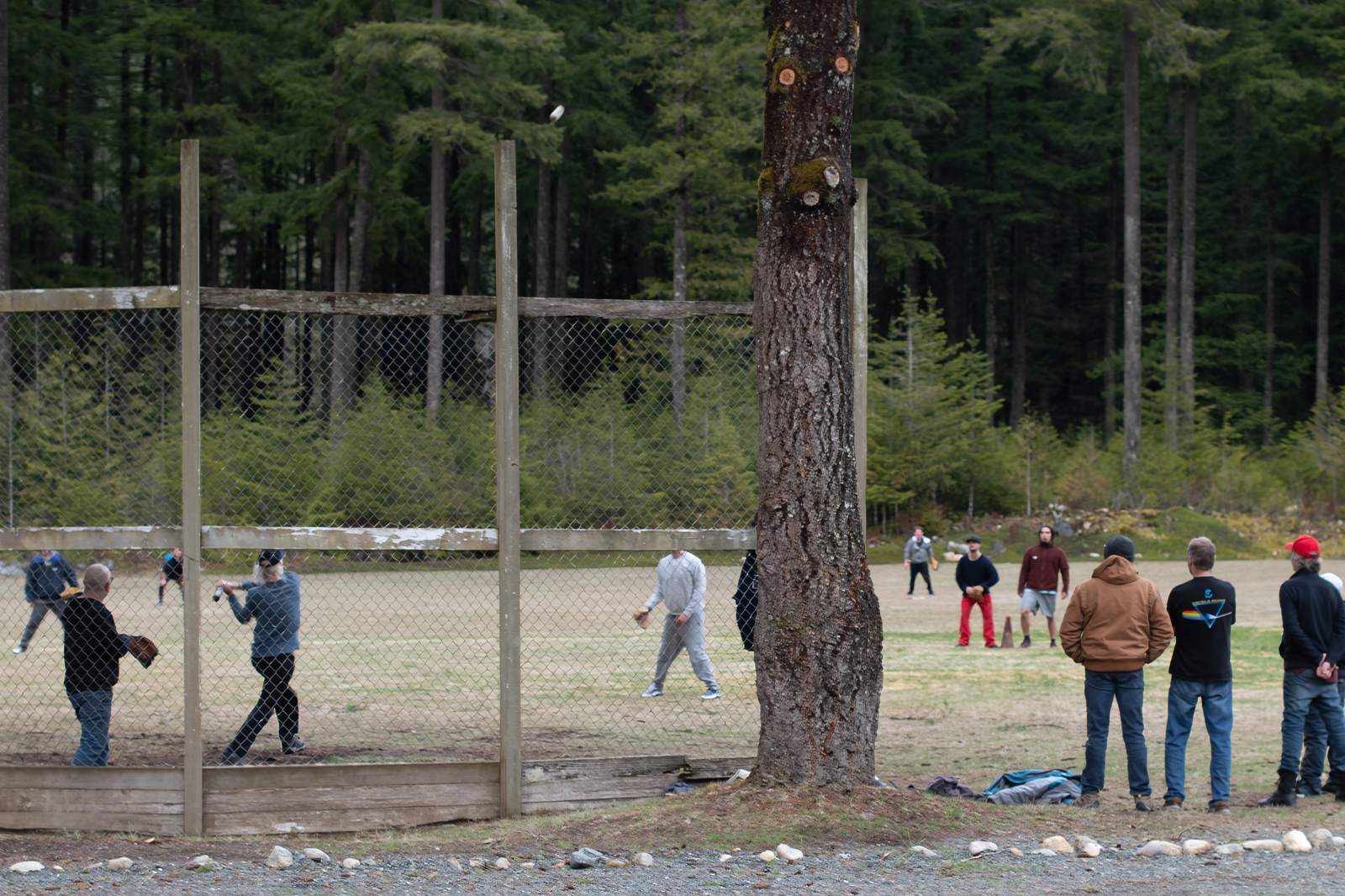
Depending on the program, men may have opportunities to exercise, spend time outdoors, enjoy hobbies, or participate in recreational activities.
These activities offer a chance to relax, manage stress, and discover enjoyable ways to spend time without alcohol or drugs.
There’s usually room for quieter activities, too. Reading, journaling, resting, or simply having some time to yourself can be just as valuable.
Part of residential addiction recovery is learning how to balance responsibilities with rest and recreation. After all, those are skills men will need when they return to everyday life.
Living and Learning Alongside Other Men
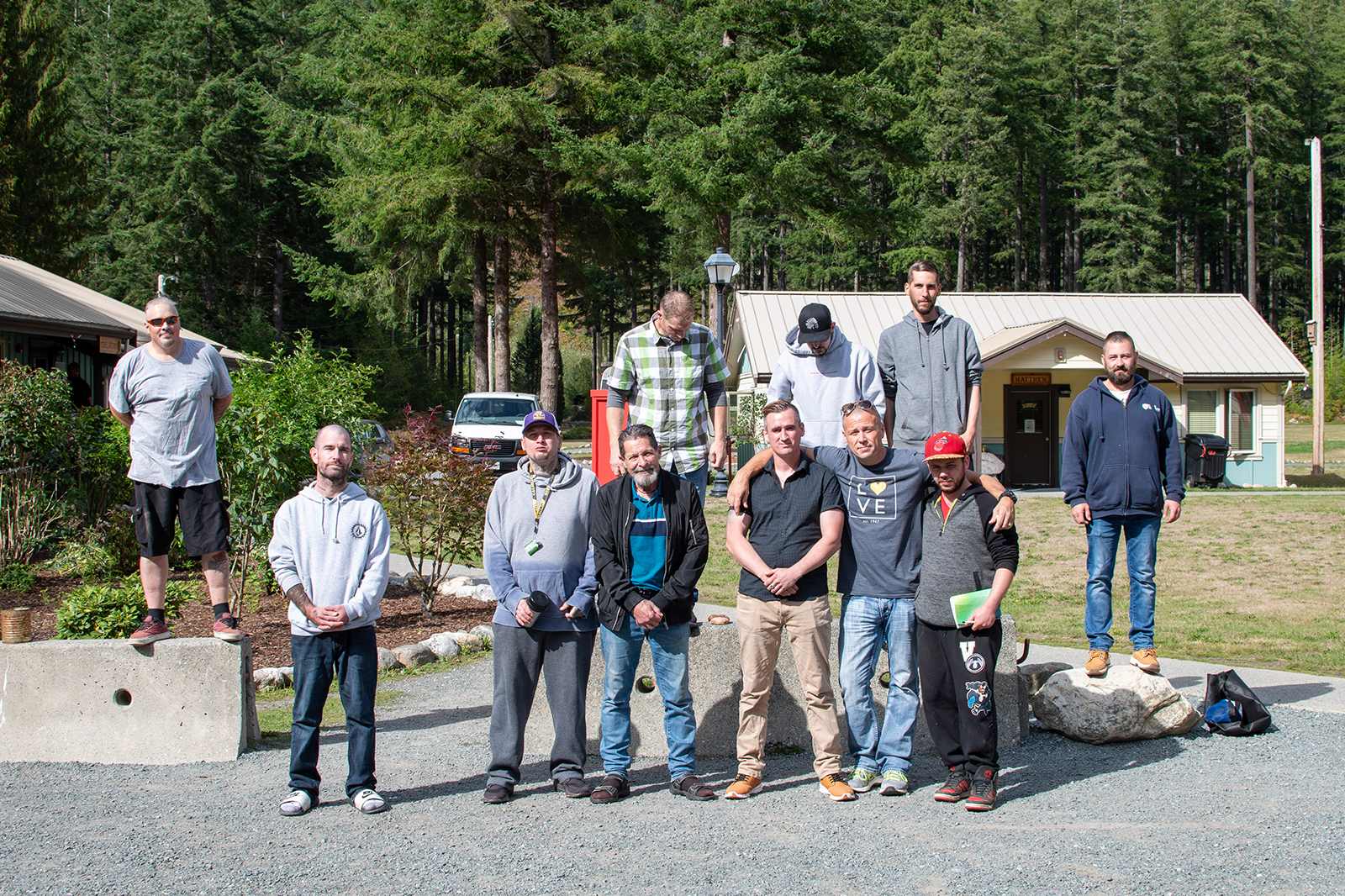
One thing that might surprise someone entering residential recovery is how much of the experience involves simply living alongside other people.
You eat together, share responsibilities, participate in activities, and spend time getting to know one another.
Of course, living with a group of people isn’t always easy. Different personalities, opinions, and habits can occasionally lead to disagreements.
But those moments can also provide opportunities to practise patience, communication, and resolving conflicts in healthier ways.
Friendships and mutual encouragement often develop naturally along the way. Having people around who understand some of what you’re going through can make a real difference.
In fact, the BC government’s treatment and recovery resources recognize peer support and life-skills development as important parts of recovery services.
Getting Ready for Life After the Program
A residential program provides structure, but the bigger goal is to help men develop habits they can carry into everyday life.
That includes maintaining routines, handling responsibilities, building healthier relationships, and knowing where to turn when challenges come up.
Not every day will be easy. Some days will feel productive, while others may be frustrating. That’s a normal part of learning and making changes.
Understanding what happens in rehab means recognizing that recovery involves much more than stopping substance use. It’s also about learning how to live differently, one day at a time.
Have Questions About Residential Recovery?
If you’re considering residential addiction recovery for yourself or someone you care about, it’s natural to want to know what to expect before making a decision.
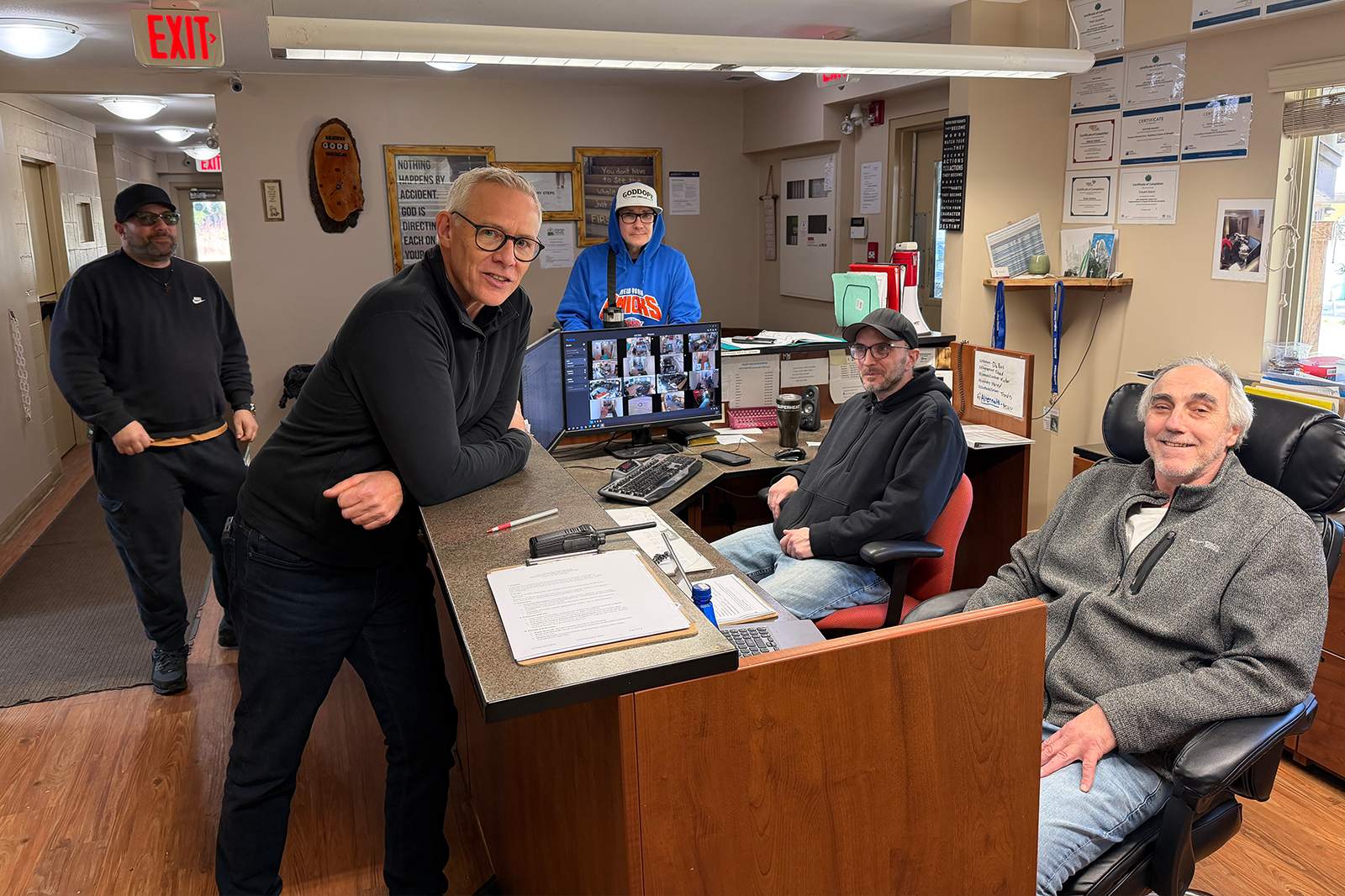
At Joshua House Recovery Ministries, we’re happy to explain how our program works, answer your questions, and walk you through the intake process.
Contact Joshua House today to learn more about our residential recovery program and how to get started.
