


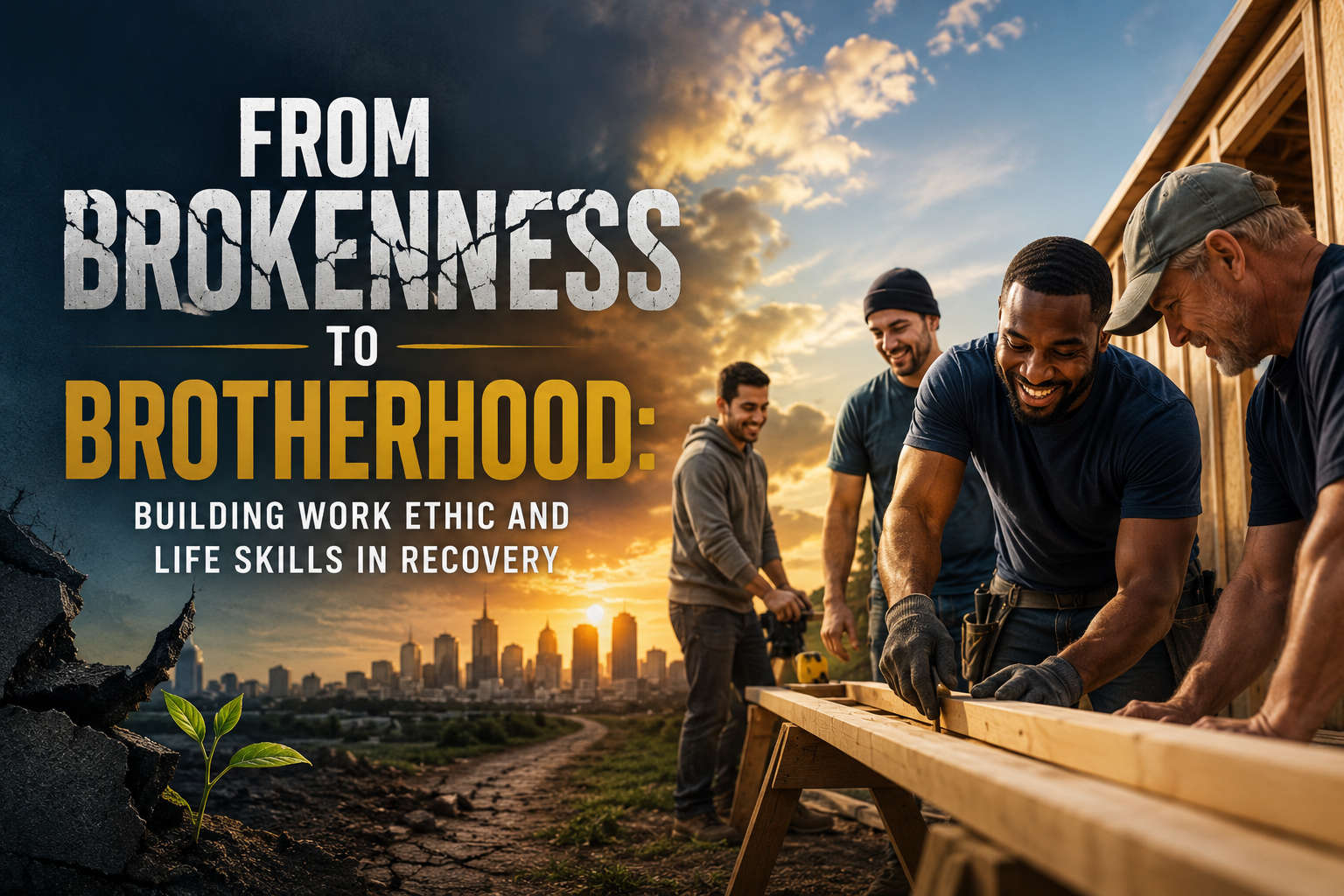
When people think about addiction recovery, they often focus on the moment someone stops using drugs or alcohol. While that step is important, it is only the beginning of a much larger journey.
True transitional life skills recovery is not simply about leaving something behind. It is about rebuilding a life from the ground up.
For many men entering long-term recovery, addiction has affected far more than their physical health. It may have damaged relationships, interrupted employment, created financial instability, and eroded self-confidence. Some men arrive feeling disconnected from their families, their communities, and even from themselves.
That is why transitional life skills recovery plays such an important role in long-term healing. At Joshua House, recovery includes learning how to live well again through structure, responsibility, community, and purpose.
Addiction Often Takes More Than We Realize
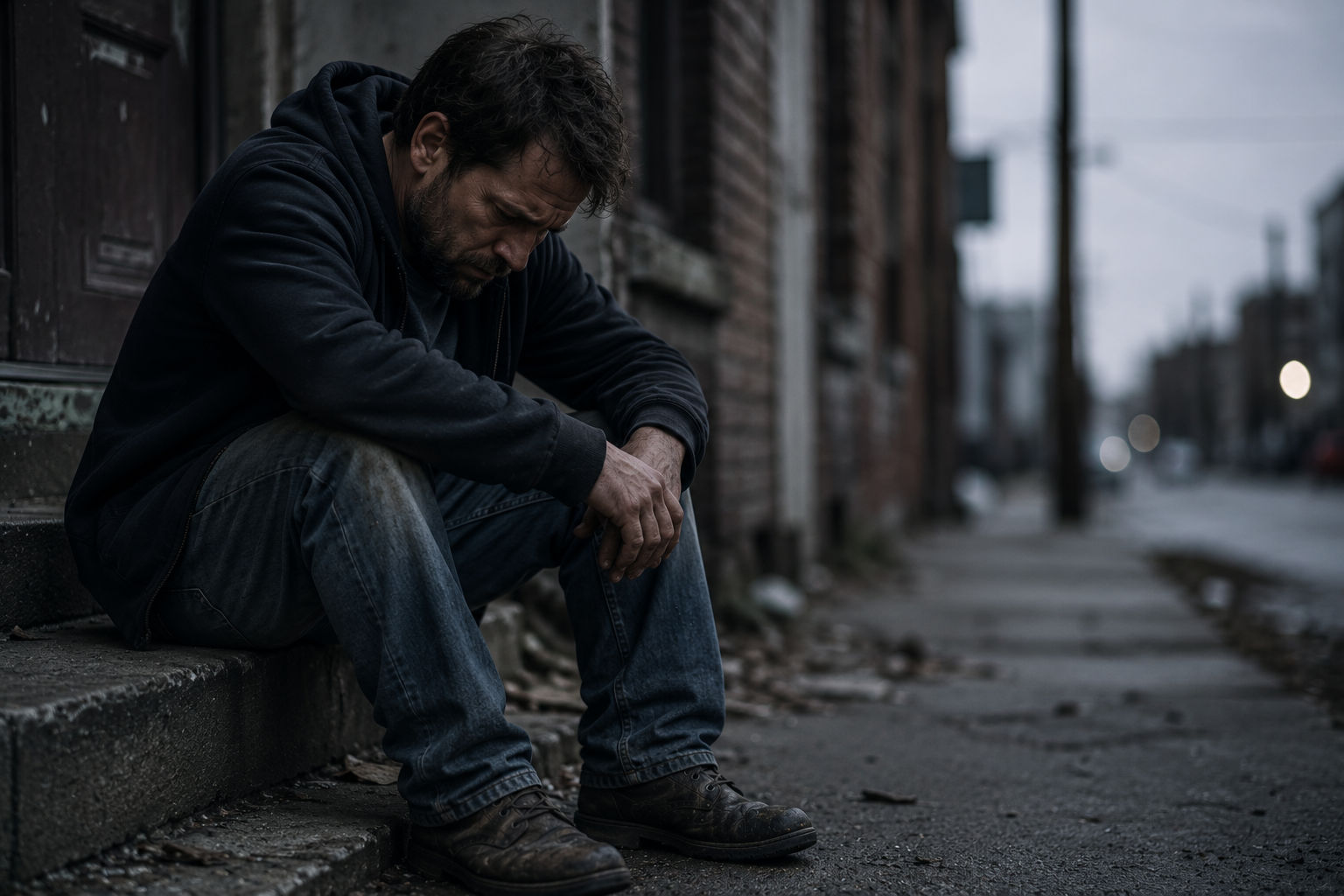
Addiction rarely affects just one area of a person’s life.
Over time, routines disappear. Responsibilities become difficult to manage. Employment may be lost. Trust can be broken. Simple tasks that many people take for granted can begin to feel overwhelming.
For some men, years may have passed since they maintained a steady schedule, held a job, managed personal finances, or participated in healthy relationships. The longer addiction continues, the more difficult these everyday skills can become.
This is one reason why recovery requires more than sobriety alone. Lasting change often happens when men have the opportunity to practice new habits, rebuild confidence, and develop the skills needed for independent living.
Rebuilding Stability Through Daily Routine
One of the first things many men rediscover in recovery is the value of structure.
A consistent schedule creates a sense of stability that addiction often removes. Waking up at the same time each day, participating in household responsibilities, attending meetings, and contributing to the community all help establish healthy routines.
These habits may seem ordinary, but they create a foundation for long-term success.
Structure helps reduce chaos and uncertainty. It provides accountability and encourages men to follow through on commitments. Over time, daily routines become something more than a schedule. They become evidence that positive change is possible.
Each completed responsibility helps build confidence for the next one.
Learning the Skills That Support Independent Living
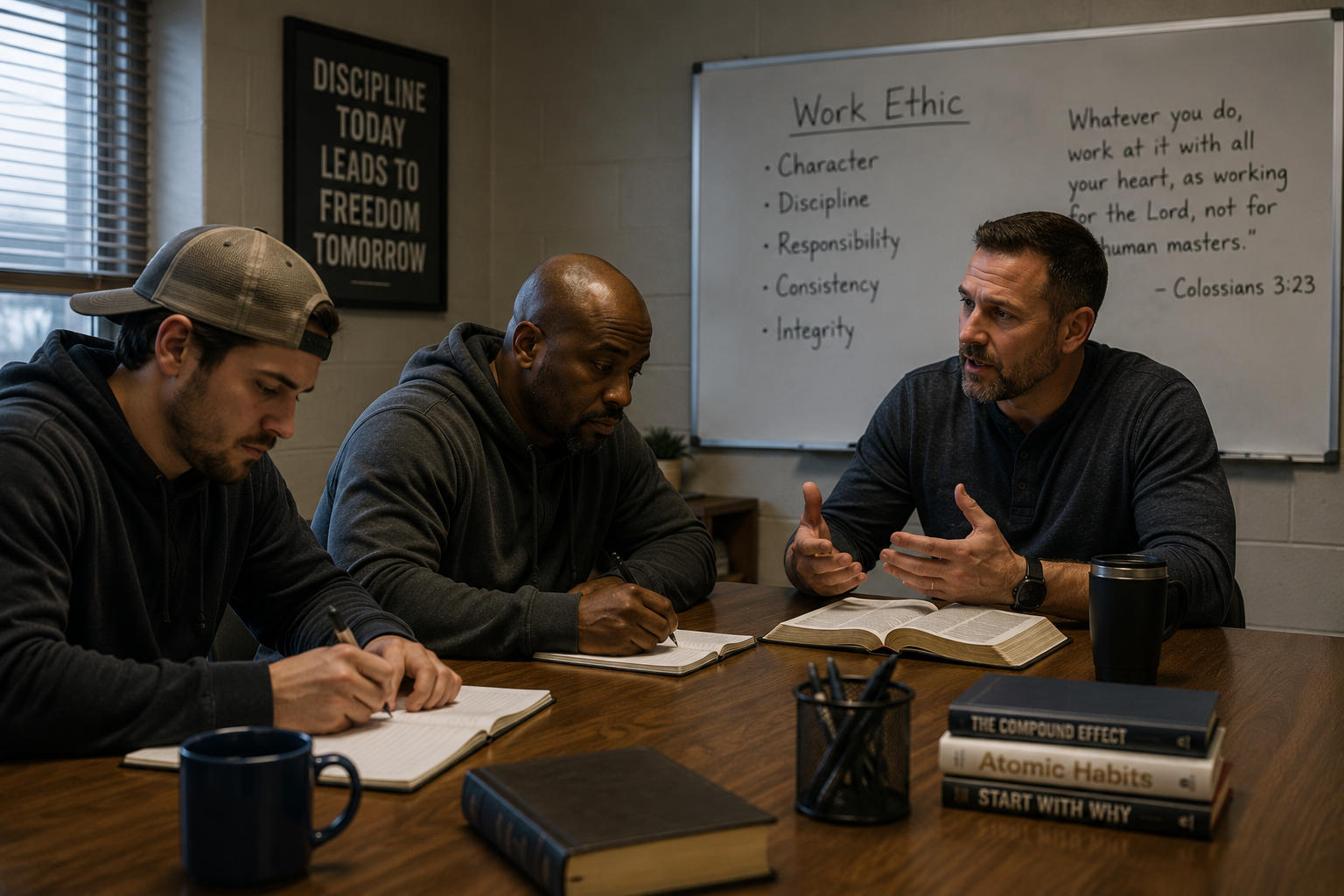
Recovery is also an opportunity to develop practical life skills that support long-term independence.
These skills can include:
- Time management and organization
- Healthy communication
- Conflict resolution
- Personal responsibility
- Goal setting
- Workplace expectations
- Financial awareness
- Teamwork and cooperation
For many men, these lessons are learned through everyday experiences rather than classroom instruction. Living in a supportive community creates opportunities to practice these skills daily.
Growth often happens through small moments. Showing up on time. Completing a task. Following through on a commitment. Contributing to a shared household.
While these victories may seem simple, they help restore something addiction often takes away: confidence.
Finding Purpose Through Responsibility and Service
An important part of recovery is learning that life can be about more than personal struggles.
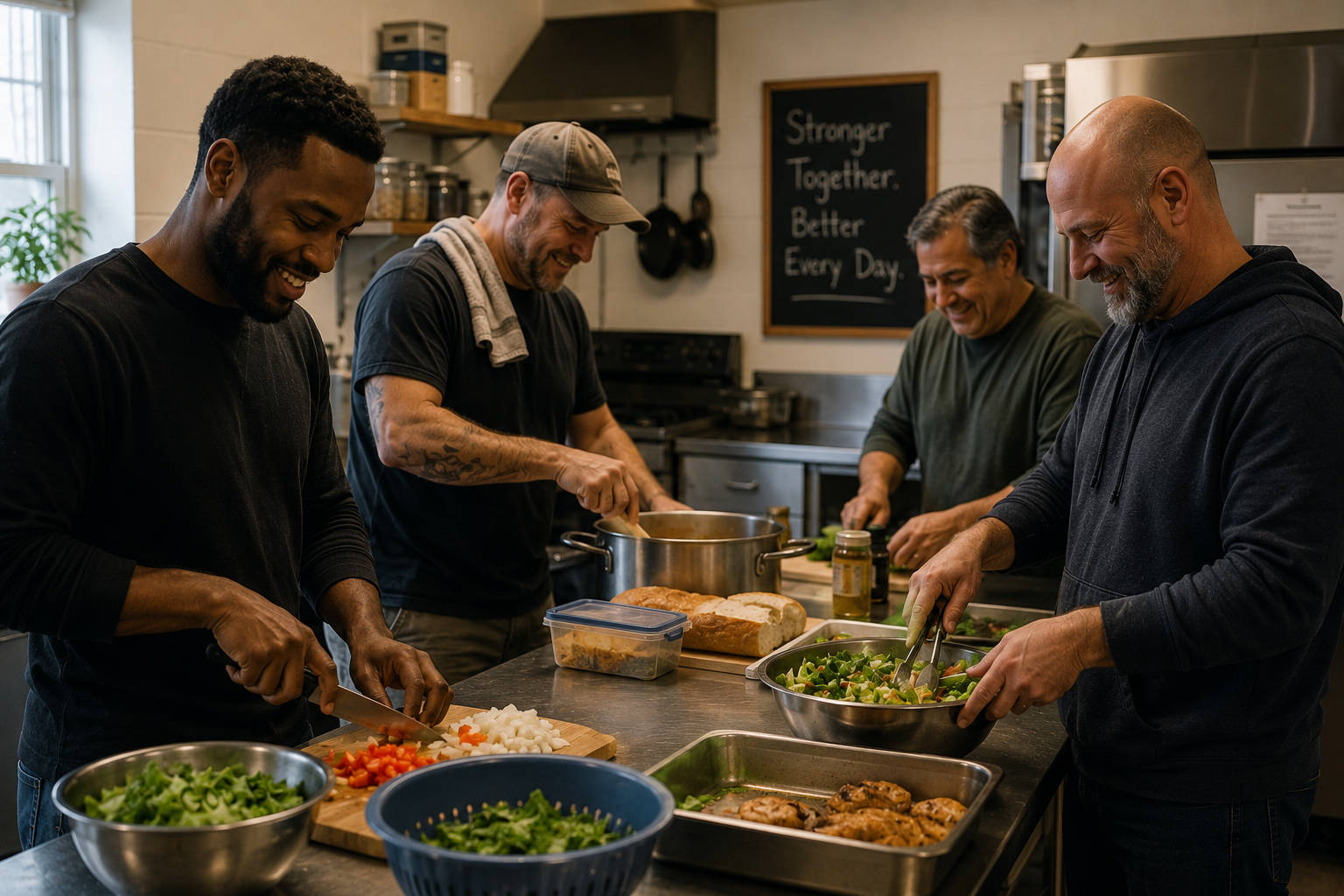
At Joshua House, men are given meaningful opportunities to serve, contribute, and take responsibility in practical ways. This includes day-to-day house operations, on-property and facilities care, kitchen duties, cleaning, meal preparation, and support for internal ministry events.
These responsibilities help men rebuild the habits that support long-term recovery, including reliability, teamwork, follow-through, and accountability.
On-property care is also an important part of life at Joshua House. The men help maintain multiple residential recovery properties, including the 32-acre main facility, The Creek, near Chilliwack Lake. Through daily chores, hands-on maintenance, and repairs, they learn to take ownership of the spaces they live in and contribute to the wellbeing of the community around them.
Joshua House residents may also assist with local church ministry activities, including tasks, events, and community outreach programs hosted by partner churches. These opportunities allow men to practice serving others while developing confidence, humility, and a renewed sense of purpose.
Many people entering recovery carry feelings of shame, regret, or failure. Meaningful responsibility helps challenge those beliefs.
When a man sees that his work matters, that others are counting on him, and that his contribution helps the community function well, he begins to recognize his own value again.
Service becomes more than a task list. It becomes part of the healing process.
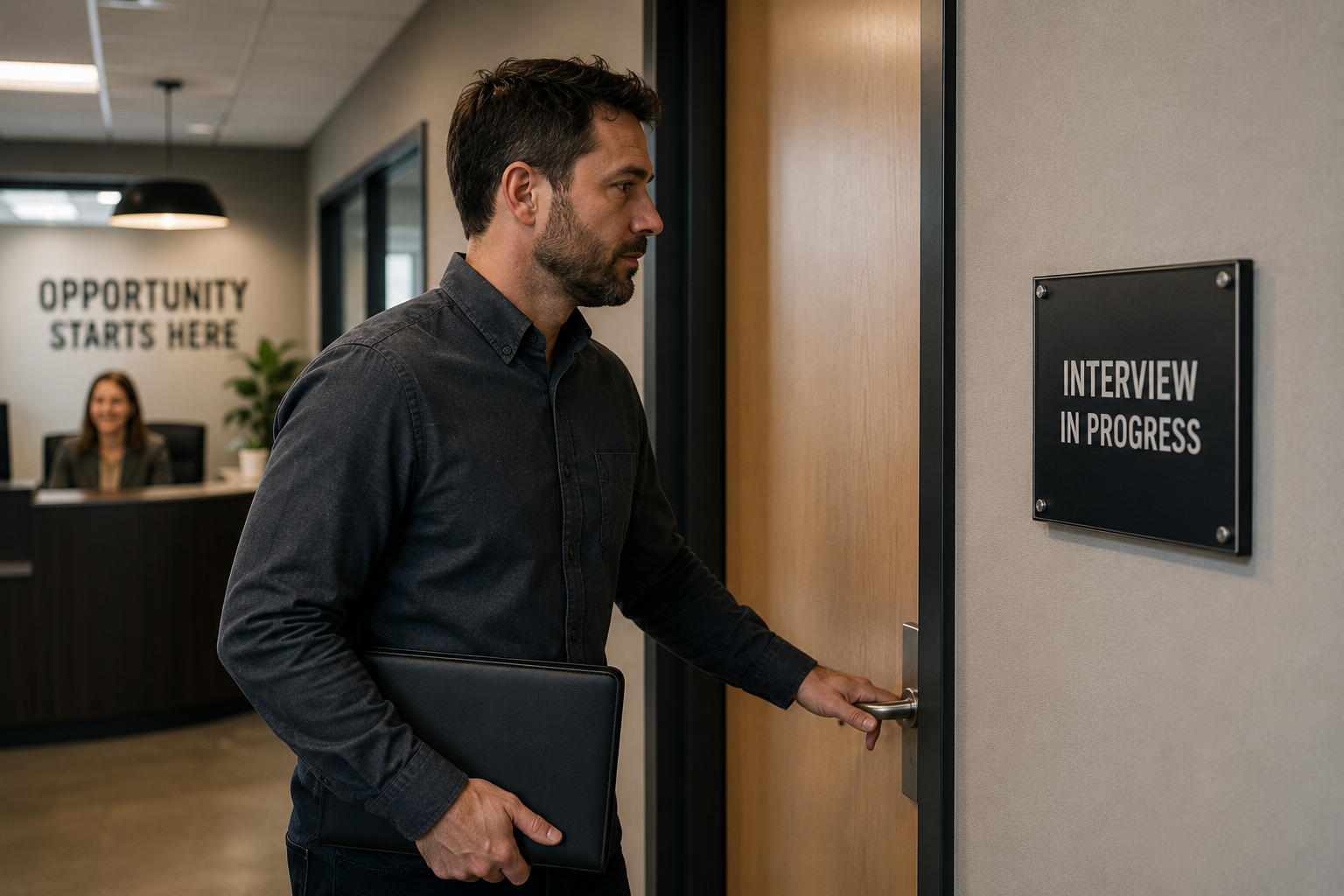
Workforce Reintegration After Addiction
Returning to employment is often a major milestone in recovery.
For many men, the idea of re-entering the workforce can feel intimidating. Employment gaps, lost confidence, or past mistakes may create uncertainty about the future.
This is where gradual preparation matters.
Through structured responsibilities, volunteer opportunities, and community support, men begin rebuilding the habits that employers value most: consistency, reliability, accountability, and a strong work ethic.
Successful workforce reintegration after addiction does not happen overnight. It happens through repeated opportunities to practice showing up, contributing, and following through.
Each small success builds momentum.
A man who once doubted his ability to maintain a schedule may discover he can be dependable again. Someone who struggled with responsibility may learn that he is capable of earning trust.
These experiences help prepare men for long-term employment and greater independence.
From Sober Living to Independent Living
Recovery is not a single event. It is a gradual process of growth.
The later stages of recovery often focus on helping men transition from structured support into greater independence. This transition works best when it happens gradually rather than all at once.
Supportive living environments provide accountability, encouragement, and community while men continue developing practical life skills. As confidence grows, responsibilities increase, creating opportunities for continued growth.
The goal is not simply to help someone avoid relapse.
The goal is to help them build a life worth protecting.
That life may include meaningful work, healthy relationships, community involvement, personal goals, and renewed hope for the future.
The Power of Brotherhood
One of the most important aspects of long-term recovery is community.
Addiction often isolates people. Recovery brings them back into relationship with others.
When men walk through recovery together, they discover they are not alone in their struggles. They learn from one another, support one another, and celebrate one another’s progress.
That sense of brotherhood can be incredibly powerful.
Many men arrive feeling disconnected and uncertain about their future. Through shared experiences, accountability, and encouragement, they begin to rebuild trust in themselves and in others.
Healing often happens one conversation, one responsibility, and one relationship at a time.
Recovery is not about becoming perfect.
It is about moving forward.
At Joshua House, men are given the opportunity to rebuild their lives through community, responsibility, service, and practical skill development. Through transitional life skills recovery, volunteer service, and workforce preparation, they learn that lasting change is possible.
The journey from brokenness to brotherhood is rarely easy, but it reminds us of something important: people can change, hope can be restored, and a different future is possible.
Recovery Is More Than Sobriety. It’s a New Way Forward.
At Joshua House, men find the structure, support, and community they need to rebuild their lives one step at a time. Whether you’re seeking help for yourself or someone you love, we’re here to walk alongside you.
