


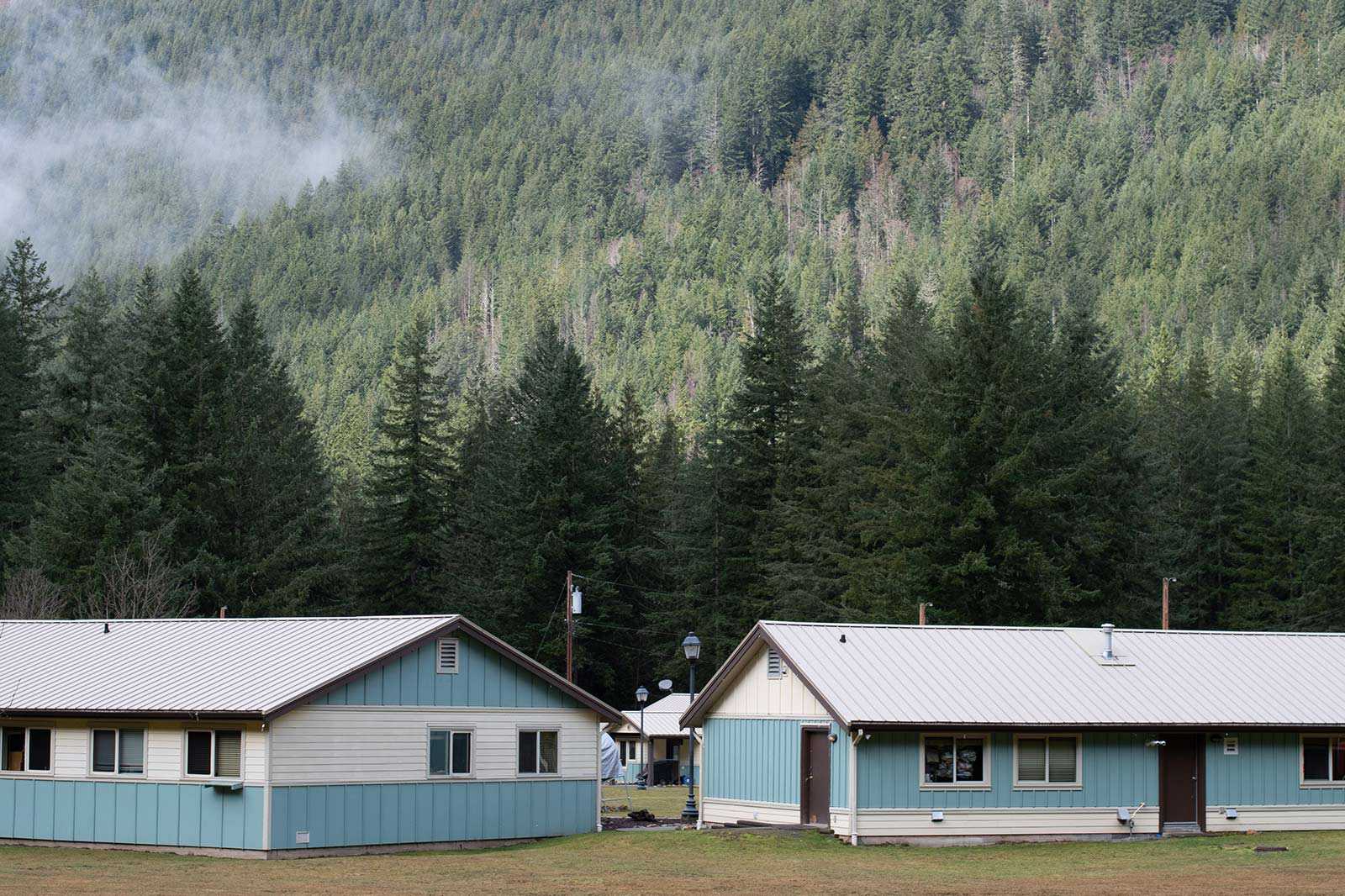
Finding the right addiction treatment program can feel overwhelming, especially when you’re making decisions for yourself or someone you care about. There are many treatment centers in BC, and understanding what each one offers can help you make an informed choice.
Not every recovery program works the same way. Some focus on short-term treatment, while others provide longer residential programs with ongoing support. The right choice depends on the person’s needs, circumstances, and the kind of environment that will help them build a healthier life.
Knowing what to look for can make the decision easier.
Understand the Different Types of Treatment Programs
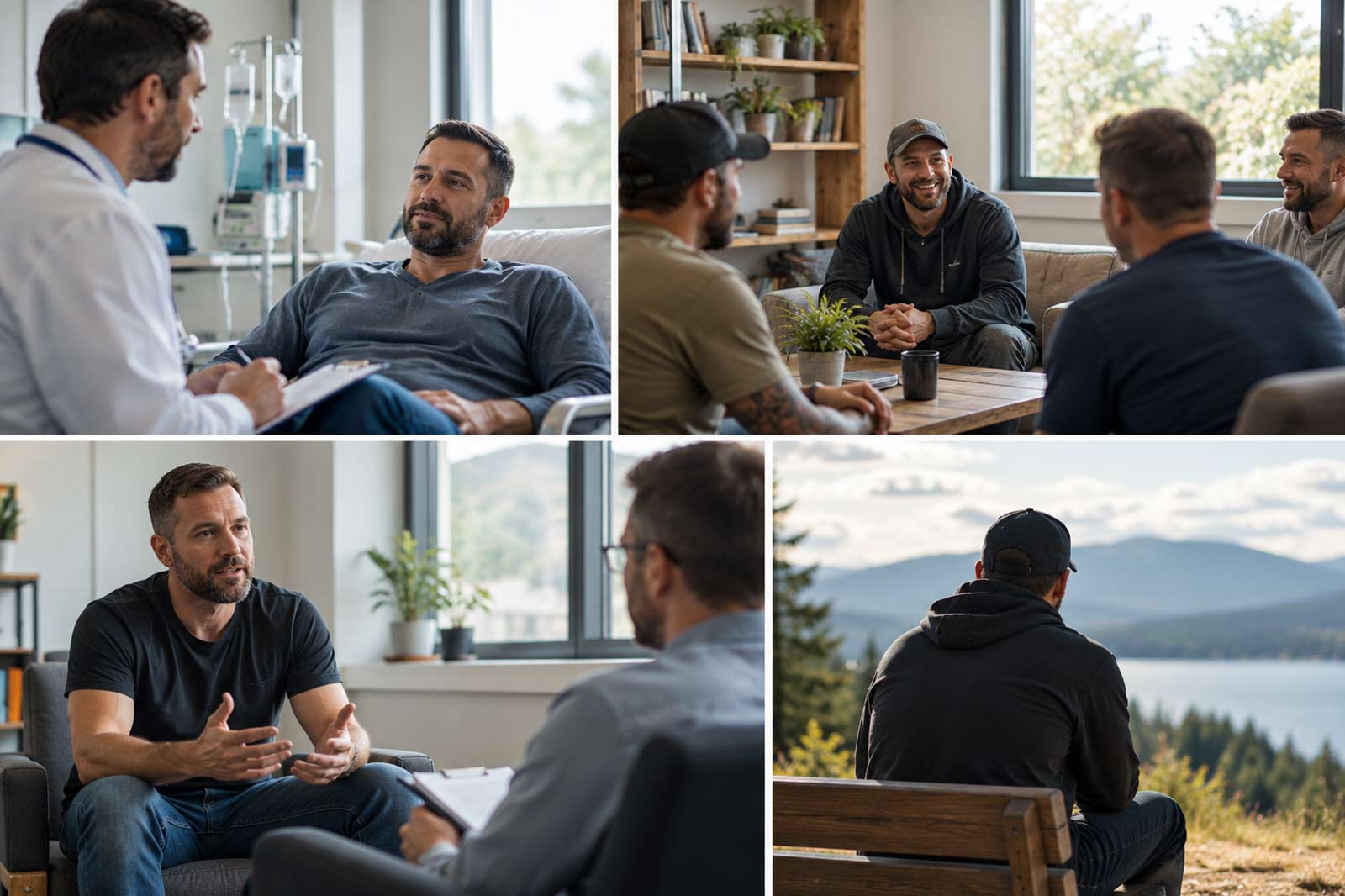
When comparing treatment centers in BC, it’s important to understand the different approaches to addiction recovery.
Some programs provide medical detoxification, which helps people safely manage withdrawal symptoms under medical supervision. Others offer residential treatment, where individuals live in a structured environment while receiving recovery support.
Outpatient programs allow people to attend counselling and treatment while continuing to live at home. These programs may be suitable for someone with a stable living environment and strong support network.
Residential addiction treatment provides more structure and separation from everyday situations that may contribute to substance use.
Before choosing a program, consider whether the person needs medical care, a stable living environment, counselling, or a combination of services.
Consider the Length of the Program
Recovery takes time, but the amount of time someone needs in treatment can vary.
Some treatment centers in BC offer programs lasting 30, 60, or 90 days. Others provide longer-term residential recovery opportunities that extend over several months.
Shorter programs may help people stabilize and begin developing healthier habits. Longer programs can provide additional time to address underlying challenges, rebuild relationships, and practise everyday responsibilities.
Ask how the program determines when someone is ready for greater independence. It’s also worth understanding what happens if a person needs more time or additional support.
The goal isn’t simply to complete a program. It’s to develop the skills, relationships, and stability needed for life beyond treatment.
Look at the Living Environment and Daily Structure
The environment someone lives in during recovery can make a meaningful difference.
When researching treatment centers in BC, ask what daily life looks like for residents. Is there a consistent schedule? Are residents expected to participate in household responsibilities, counselling, group activities, or community programs?
Structure can help people rebuild routines and develop a greater sense of responsibility. However, it’s important that expectations are reasonable and that residents receive guidance when they’re struggling.
You may also want to ask about shared accommodations, personal privacy, visiting policies, and how conflicts between residents are handled.
A supportive recovery environment should provide clear expectations while treating every person with dignity and respect.
Understand the Program’s Approach to Recovery
Every addiction treatment program has its own philosophy and methods.
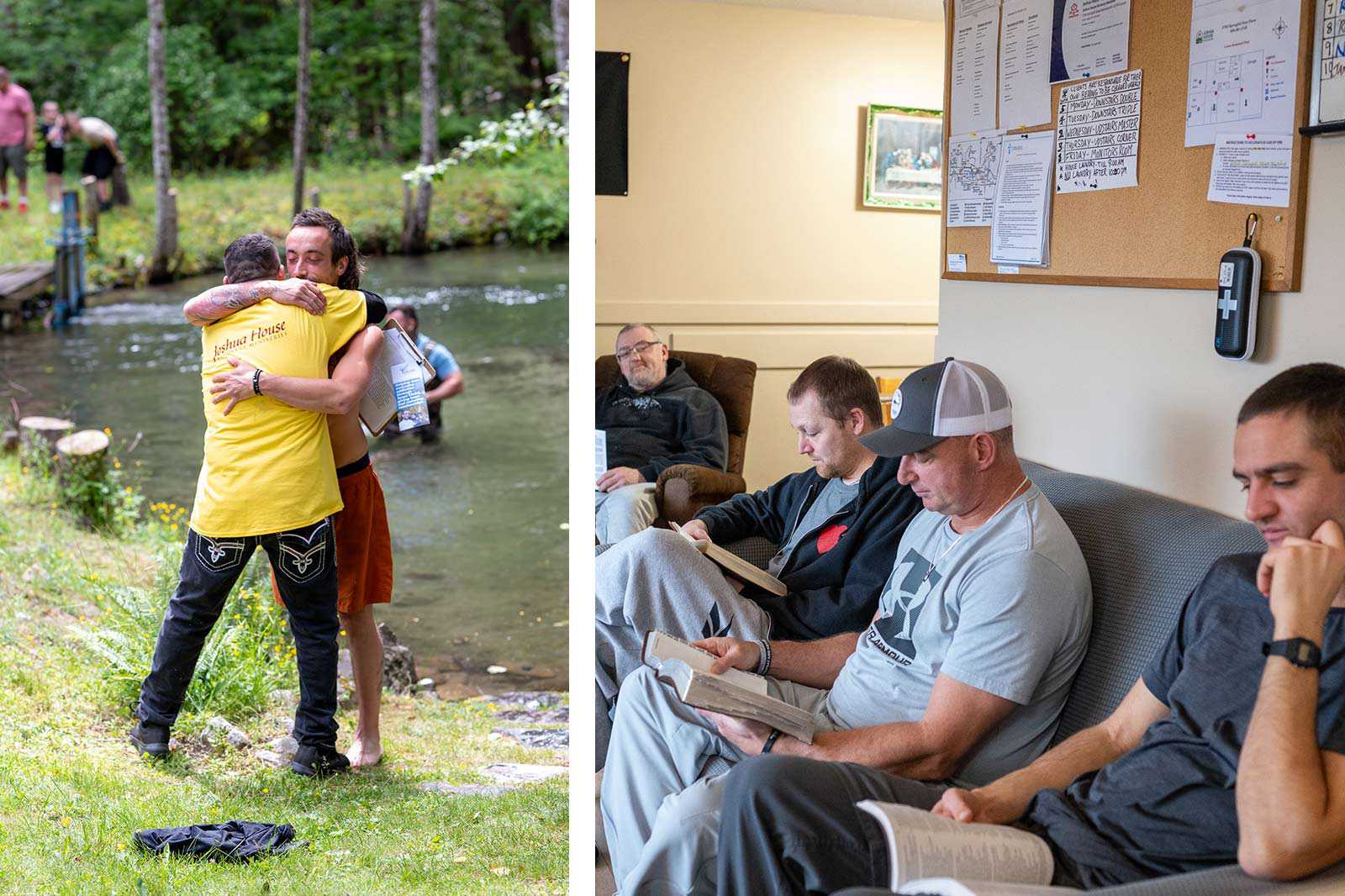
Some focus primarily on clinical counselling and behavioural therapies. Others incorporate peer support, life skills, spiritual guidance, or faith-based recovery.
When comparing treatment centers in BC, ask how the program approaches accountability, personal responsibility, and emotional well-being.
Find out whether residents have access to qualified counsellors or other healthcare professionals when needed. Ask how the program supports individuals experiencing mental health challenges alongside addiction.
For those considering a faith-based program, understanding how spiritual support is incorporated into daily life can also help determine whether it’s a good fit.
The right environment should offer encouragement and accountability without shame or unrealistic expectations.

Ask About Costs and Financial Assistance
The cost of addiction treatment can vary significantly depending on the type of program and the services provided.
Some treatment centers in BC receive public funding, while others operate privately or through charitable organizations.
Before making a decision, ask what costs are involved and what those fees include. Find out whether accommodation, meals, counselling, transportation, and other services are covered.
It’s also worth asking about financial assistance, payment arrangements, and eligibility requirements.
The HealthLink BC substance use resources can help individuals and families learn more about substance use services and available support in British Columbia.
Find Out What Happens After Residential Treatment
Leaving a structured recovery environment can bring new challenges. Returning to work, rebuilding relationships, and managing everyday responsibilities may take time.
That’s why aftercare is an important consideration when choosing between treatment centers in BC.
Ask whether the program offers continued counselling, recovery meetings, transitional housing, or opportunities to remain connected with the recovery community.
Some people benefit from additional structure before returning to independent living. Others may need help finding employment, reconnecting with family, or building healthy social relationships.
Recovery doesn’t end when someone leaves residential treatment. Continued support can help people navigate challenges without feeling they’re facing them alone.
Finding the Right Support for Recovery
Choosing between treatment centers in BC isn’t about finding a program that promises quick results. It’s about finding an environment where someone can receive the care, encouragement, and accountability they need.
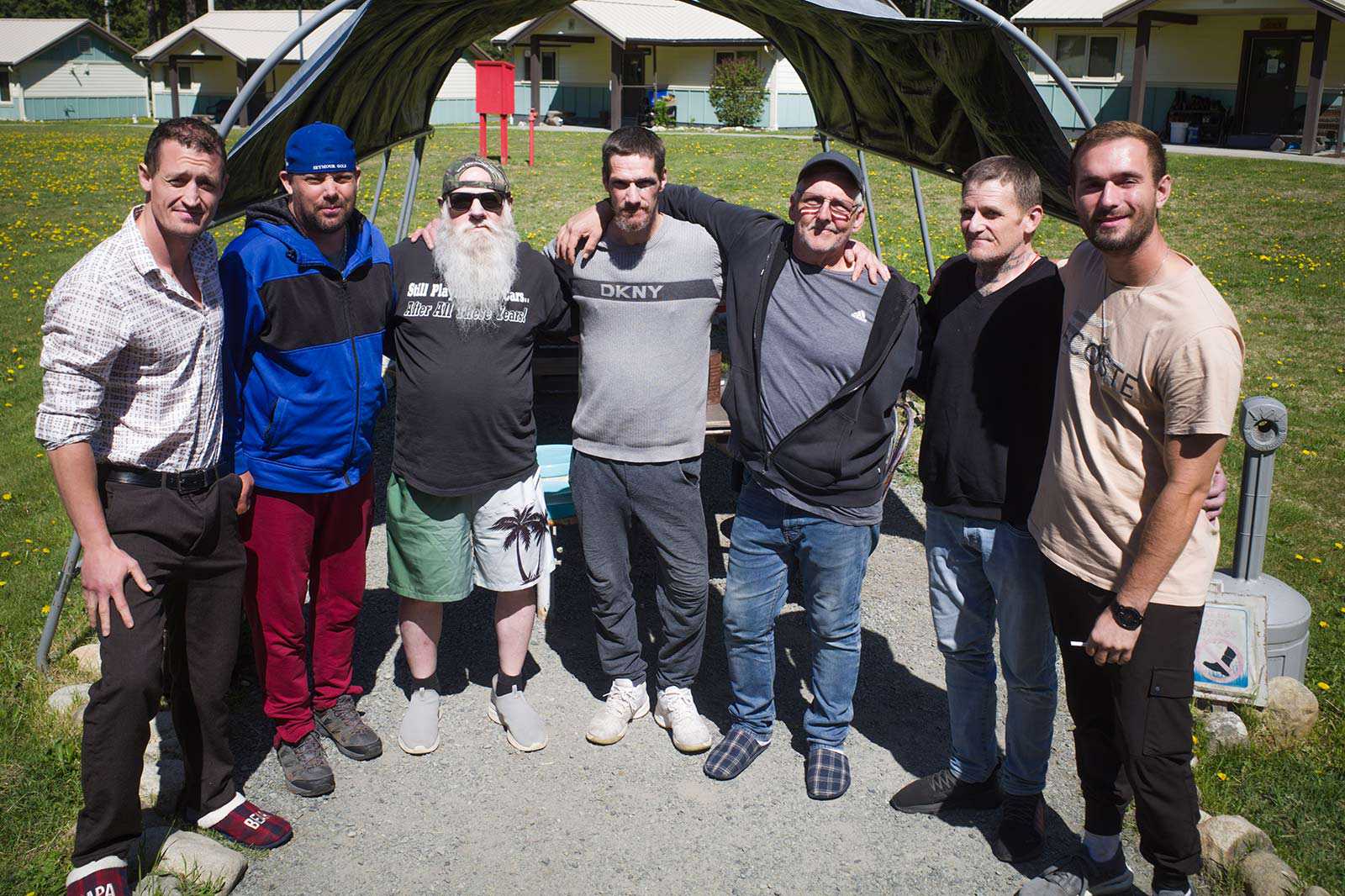
At Joshua House Recovery Ministries, we understand that recovery looks different for every man. Our faith-based residential recovery programs provide structure, community, and opportunities to rebuild healthy routines and relationships.
We believe meaningful change takes time, and nobody should have to navigate recovery alone.
If you or someone you love is looking for support, we’re here to help. Learn more about Joshua House and discover how our programs support men and families through addiction recovery.
