



Leaving residential treatment can bring hope, relief, and uncertainty all at once. While completing a program is an important milestone, recovery rarely becomes easy the moment someone leaves. Recovery housing can provide the stability, community, and accountability needed to practise new skills while gradually rebuilding an independent life.
Although the terms recovery housing, sober living, and aftercare are sometimes used interchangeably, they do not always describe the same kind of support. Understanding the differences can help men and their families choose an option that fits their needs.
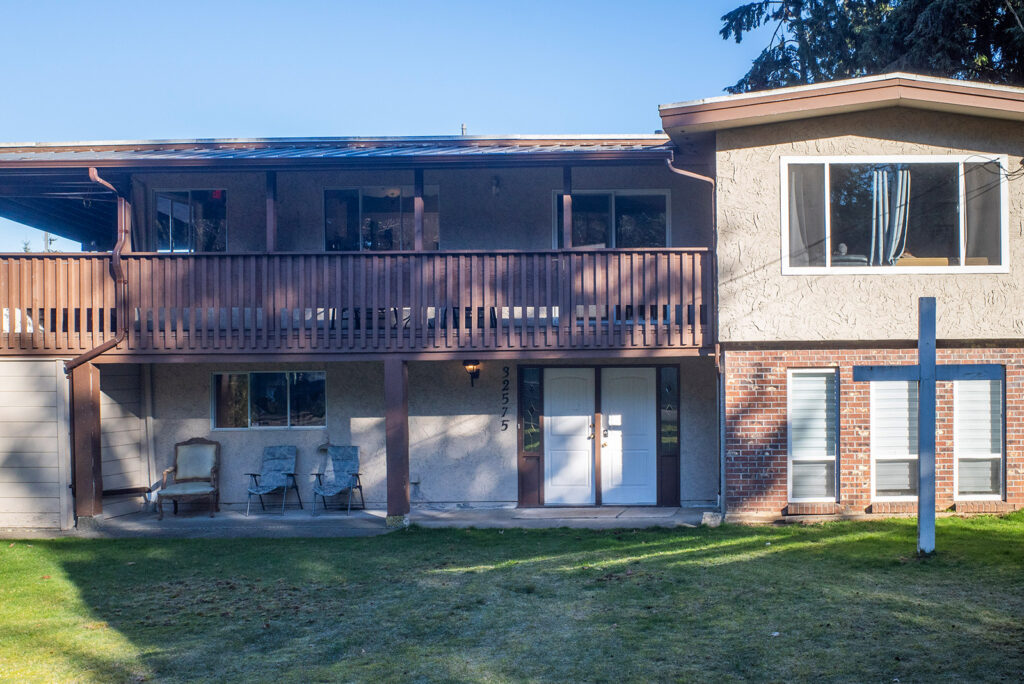
What Is Recovery Housing?
Recovery housing is a substance-free living environment designed for people who are actively working on their recovery. It offers more structure than independent housing while allowing residents to begin taking responsibility for daily routines, relationships, employment, education, and personal commitments.
A recovery housing BC program may include house expectations, curfews, regular meetings, peer support, drug or alcohol screening, life-skills development, and connections to counselling or community resources. The goal is not to control residents. It is to create a stable environment where healthy decisions can be practised consistently.
This form of recovery housing is often a good fit for someone who has completed residential treatment but does not yet feel prepared to return to an unstructured environment. It may also serve men who have experienced relapse and recognize that they need additional support.
For people searching for housing after rehab, this option can provide an important bridge between intensive treatment and fully independent living.
What Is Sober Living?
Sober living generally refers to shared housing where every resident agrees to remain free from drugs and alcohol. These homes may offer peer connection, basic household expectations, and a level of mutual accountability.
The amount of structure can vary widely. Some sober living BC homes have staff, scheduled programming, and clearly defined recovery requirements. Others function more like independent shared housing, with residents responsible for managing their own treatment, employment, appointments, and recovery activities.
Compared with recovery housing, sober living may be appropriate for someone who has already developed greater stability and can manage more independence. However, the name alone does not tell families how much support is available. It is important to ask about staffing, house rules, screening, relapse policies, program expectations, and access to professional or peer support.
A sober living for men environment can be especially valuable when residents share common experiences and are committed to encouraging one another while also respecting clear boundaries.
What Is Addiction Aftercare?
Aftercare is not necessarily a place to live. An addiction aftercare program is a collection of ongoing supports that helps someone maintain recovery after completing formal treatment.
Aftercare may include counselling, recovery meetings, mentorship, relapse-prevention planning, family support, employment assistance, spiritual care, medical services, and regular check-ins. A person may participate in aftercare while living in a recovery home, a sober living residence, with family, or independently.
The right aftercare plan depends on the individual. Someone with stable housing and strong community support may benefit from scheduled counselling and peer meetings. Someone facing family conflict, financial stress, isolation, or exposure to substance use may need a more structured living environment as well.
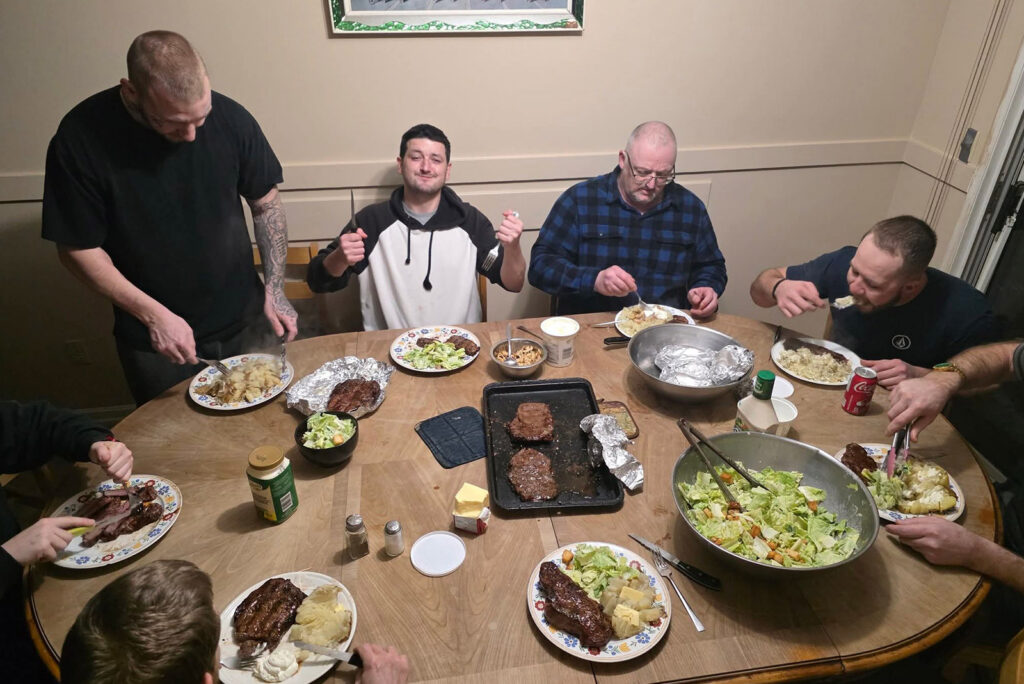
What About Transitional and Halfway Housing?
Transitional housing for men is a broad term for temporary accommodation that helps residents prepare for longer-term independence. Some transitional homes focus specifically on addiction recovery, while others serve people experiencing homelessness, leaving correctional settings, or rebuilding after a crisis.
Similarly, halfway houses BC may operate within the correctional system or serve people transitioning from institutional care. They can have legal or supervisory requirements that are different from those found in voluntary recovery homes.
Because these terms can describe very different environments, families should look beyond the program’s name and ask who it serves, what support it provides, and what expectations residents must meet.
Why Structure and Accountability Matter
Recovery is not a straight line. Making progress may include setbacks, pauses, honest reassessment, or returning to an earlier level of support. Sometimes taking a step back is what allows a person to regain stability and continue making healthier choices.
Structure can reduce the pressure to manage every challenge alone. Predictable routines, safe housing, community responsibilities, and regular check-ins give men opportunities to strengthen the habits they began developing in treatment.
Accountability is not the same as punishment. Healthy accountability combines compassion with honesty. It recognizes that a person may be struggling without excusing harmful behaviour or removing responsibility for their choices. Clear expectations help protect the individual, other residents, families, and the wider recovery community.

Choosing the Right Level of Support
The right choice among recovery housing, sober living, and aftercare depends on a person’s stability, support network, relapse risk, daily living skills, and willingness to participate. Families may want to ask:
- Is the environment completely substance-free?
- How much staff or peer support is available?
- Are residents expected to attend meetings or counselling?
- What happens if someone uses substances?
- How does the program prepare residents for employment and independent living?
- Is support available for mental, physical, relational, and spiritual well-being?
For men seeking recovery homes BC or addiction recovery Abbotsford services, the best setting is one that balances kindness with clear expectations. Support should respect a person’s dignity while helping him take meaningful responsibility for his recovery.
With the right recovery housing, aftercare, and community around him, a man can make progress toward greater stability and independence—without being expected to do it perfectly or alone.

Find the Right Support for Making Progress
The right recovery housing can provide the structure, accountability, and compassionate community needed after treatment. Contact Joshua House to learn how our Abbotsford programs support men as they make progress toward stable, independent living.
