



Addiction is often described as a personal struggle, but anyone who has lived close to it knows that is rarely true. When someone is caught in addiction, the impact spreads outward into every corner of family life. Parents lose sleep. Children feel instability they may not fully understand. Relationships become strained by fear, stress, broken trust, and uncertainty.
The difficult reality is that addiction affects entire families. The hopeful reality is that recovery can too.
Family support in addiction recovery plays a bigger role than many people realize. While one man may be the person entering a recovery program, healing often reaches far beyond him. Over time, healthier routines, restored trust, and renewed stability can begin changing the atmosphere of an entire family.
Why Addiction Affects the Whole Family
Addiction changes more than behaviour. It changes relationships, communication, routines, and emotional safety within a home. Families often find themselves adapting to chaos without even realizing it. Some become hyper-vigilant, constantly waiting for the next crisis. Others withdraw emotionally after years of disappointment or fear.
Many family members end up carrying responsibilities they were never prepared for. Parents may feel trapped between helping and enabling. Partners often feel exhausted trying to hold everything together. Children may begin acting differently at school or struggle with anxiety because life at home feels unpredictable.
Even when families deeply love the person struggling, addiction can create distance that feels impossible to close.
That is one reason family support in addiction recovery matters so much. Recovery is not only about helping someone stop using substances. It is about rebuilding stability, trust, and connection over time.

Recovery Is About More Than Sobriety
There is a common misconception that recovery begins and ends with sobriety. In reality, sobriety is often just the starting point.
Long-term recovery usually involves rebuilding the parts of life that addiction disrupted. That includes structure, accountability, emotional growth, healthy routines, and learning how to navigate relationships differently.
For many men, recovery means learning how to show up consistently again. It may look simple from the outside, but those small changes matter deeply to families. Returning phone calls. Keeping commitments. Being emotionally present. Showing up on time. Participating in family life again. These moments begin rebuilding trust piece by piece.
Healing relationships after addiction rarely happens overnight. Families who have experienced years of instability often need time before they feel safe trusting again. Recovery becomes less about dramatic promises and more about steady, repeated actions over time.
That consistency is where many families begin noticing real change.

Family Support in Addiction Recovery Can Strengthen Healing
Families cannot force someone into recovery, and they cannot carry recovery for someone else. But healthy support can still make a meaningful difference.
Family support in addiction recovery often looks less like rescuing and more like creating space for accountability, encouragement, and healthy boundaries. Sometimes support means answering the phone. Sometimes it means attending counselling. Sometimes it means learning how to stop carrying responsibility for choices that belong to someone else.
Families need healing too.
Years of addiction can leave people emotionally worn down, guarded, or fearful of getting their hopes up again. Recovery programs and supportive communities often help families understand that healing is not about becoming perfect. It is about moving toward stability one step at a time.
In many cases, the first signs of healing are surprisingly ordinary. A peaceful dinner conversation. A father reconnecting with his kids. Parents finally sleeping through the night without worrying about getting a phone call. Those moments may seem small to outsiders, but to families who have lived through addiction, they can feel enormous.
Community Matters More Than People Think
Isolation is one of the things that allows addiction to grow stronger. Recovery often requires the opposite.
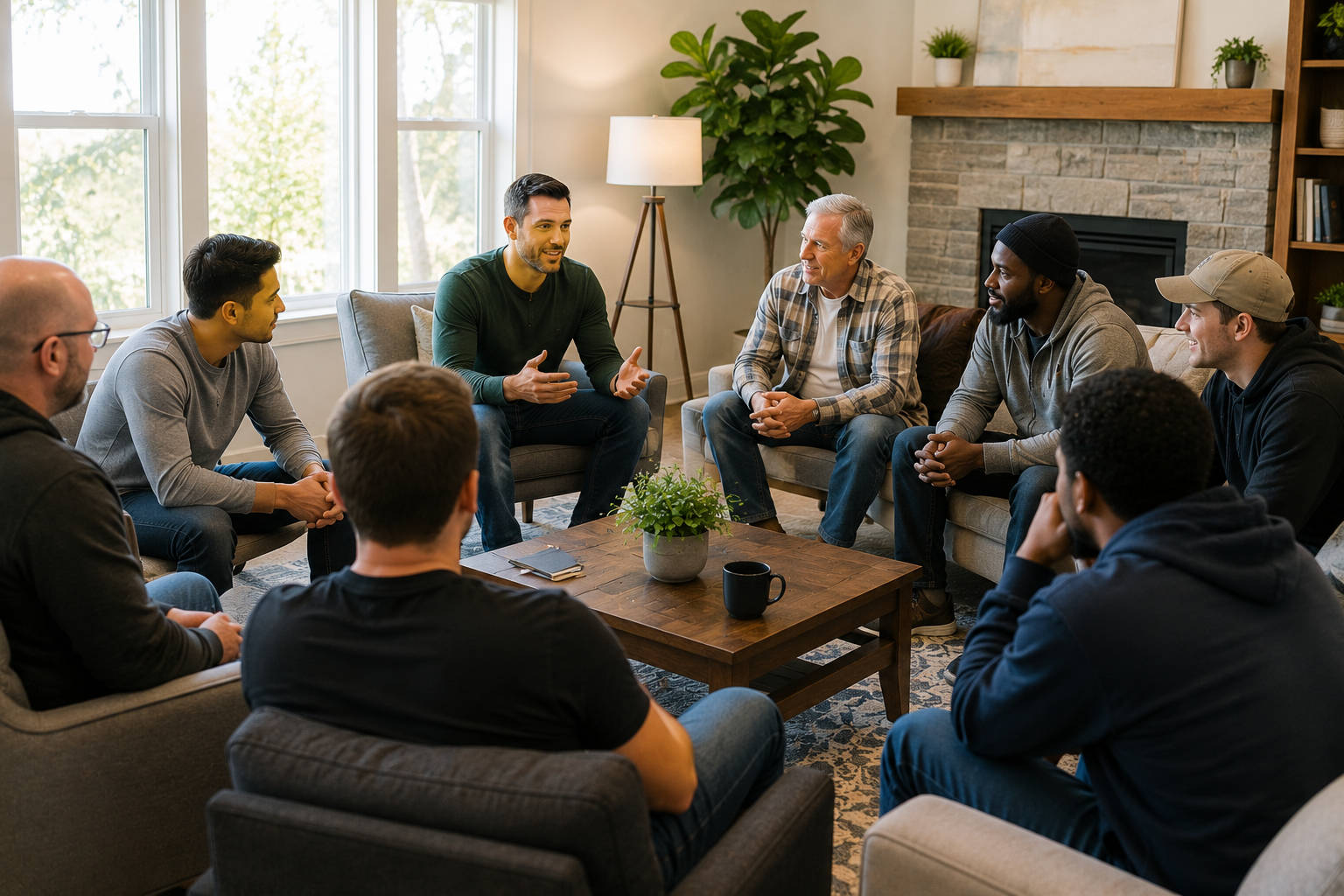
Men who are rebuilding their lives usually need structure, accountability, and supportive relationships around them. That is part of why recovery communities matter. Having people who understand the process, encourage progress, and create healthy expectations can help recovery feel sustainable instead of temporary.
Supporting men in sobriety is not only beneficial for the individual. It strengthens families and communities as well.
The Joshua House community impact can often be seen in the lives surrounding the men themselves. Families begin reconnecting. Relationships stabilize. Men become more dependable fathers, sons, brothers, and partners. Some eventually mentor others who are beginning their own recovery journey.
Strong recovery communities also remind families that they are not alone. Many people quietly carry the weight of addiction inside their homes. Knowing there are Abbotsford recovery resources available can help reduce the isolation and hopelessness families often feel during difficult seasons.
Healing Relationships After Addiction Takes Patience
One of the hardest parts of recovery is understanding that trust rebuilds slowly.
Some relationships begin healing quickly. Others may take years. Some family members may remain cautious even after significant progress has been made. That does not necessarily mean recovery is failing. It often means people are protecting themselves after being hurt repeatedly.
Healing relationships after addiction requires honesty, consistency, patience, and accountability. It also requires realistic expectations. Recovery does not erase the past, but it can create a very different future.
Over time, many families begin noticing that life no longer revolves around crisis management. Conversations become calmer. Homes feel more stable. Children begin relaxing again. Family members stop bracing for the worst every day.
Those changes matter.

One Person’s Healing Can Change an Entire Family
Addiction creates ripple effects, but recovery does too.
When one man begins rebuilding his life, the impact often extends outward in ways that are difficult to measure. Families regain hope. Children experience greater stability. Relationships become healthier. Communities become stronger.
Family support in addiction recovery is not about pretending the process is easy. It is about recognizing that healing becomes more possible when people are supported, connected, and surrounded by community.
Recovery rarely happens all at once, and it rarely happens alone. But over time, small steps toward healing can create changes that reach far beyond one person.
