



Entering a residential addiction recovery program can bring both relief and uncertainty. Men and their families may know that change is needed without knowing what daily life in treatment will involve. Understanding the stages of addiction recovery can make the process feel more manageable and help families develop realistic expectations.
While the stages of addiction recovery follow a general path, recovery itself is rarely linear. Progress may include setbacks, pauses, or returning to earlier supports. The goal is not to maintain constant “forward” movement but to build a healthier, more stable way of life over time.
Understanding the Stages of Addiction Recovery
A structured long-term recovery program usually begins with stabilization, develops through community-based recovery, and continues into aftercare and gradual reintegration. Each stage builds practical skills, personal insight, and healthy relationships while providing an appropriate level of support.

1. Stabilization and Establishing Safety
The first stage focuses on helping each resident become physically, emotionally, and mentally stable. Depending on the program and the individual’s needs, medical detoxification may occur before admission or through a separate healthcare provider.
Once a resident enters treatment, structure becomes an important source of stability. Regular meals, consistent sleep, scheduled activities, counselling, and clear expectations can help restore a sense of order after the instability of active addiction.
This period may also include:
- A personal assessment and individualized recovery plan
- Individual and group counselling
- Education about addiction, relapse, and emotional regulation
- Medical or mental health referrals when needed
- Support in addressing urgent legal, financial, or family concerns
- Introduction to healthy routines and community responsibilities
Early recovery can be physically and emotionally demanding. Residents may experience grief, shame, anxiety, frustration, or uncertainty. A supportive environment gives them space to begin facing these experiences without returning to substance use.
2. Community-Based Recovery
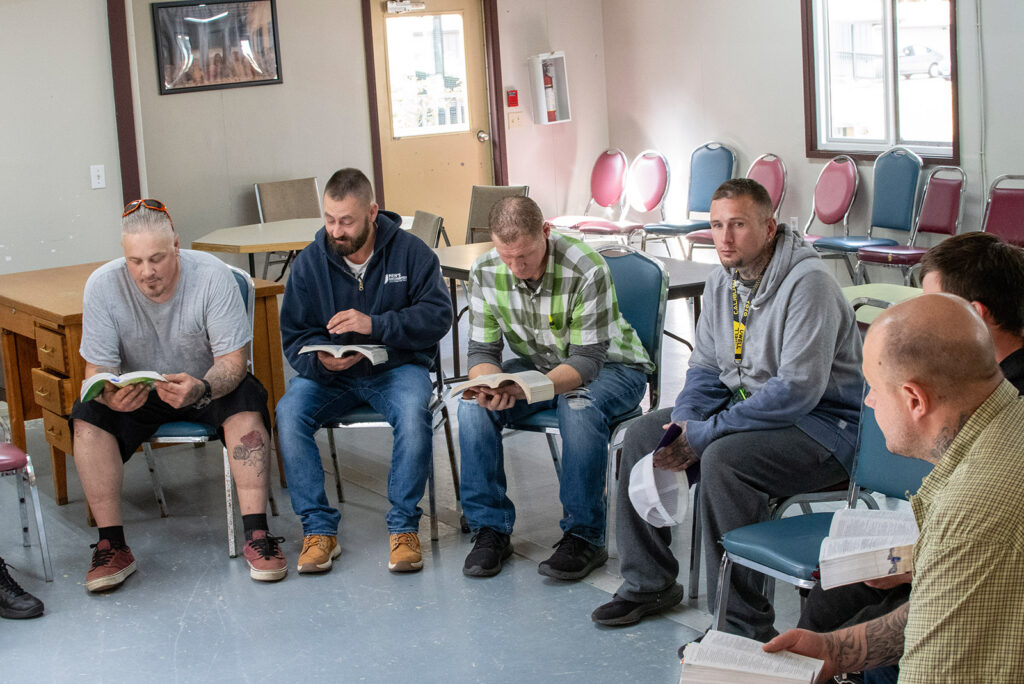
Among the stages of addiction recovery, community-based treatment is where many men begin practising new ways of living alongside others. Residential treatment is more than attending counselling sessions. It involves learning how to participate in a healthy community.
Residents may share meals, complete household responsibilities, attend groups, take part in recreation, and learn to resolve conflict respectfully. These ordinary interactions can reveal patterns that are difficult to recognize in isolation, including withdrawal, defensiveness, people-pleasing, anger, or difficulty trusting others.
At a men’s addiction treatment program in BC, this stage may also incorporate spiritual care, mentorship, life-skills development, and opportunities to rebuild healthy relationships. Accountability is balanced with dignity: residents are responsible for their choices, but they are not reduced to their past behaviour.
Over time, men can begin identifying triggers, communicating more honestly, setting boundaries, and asking for help before a difficult situation becomes a crisis.
3. Deeper Recovery and Personal Growth
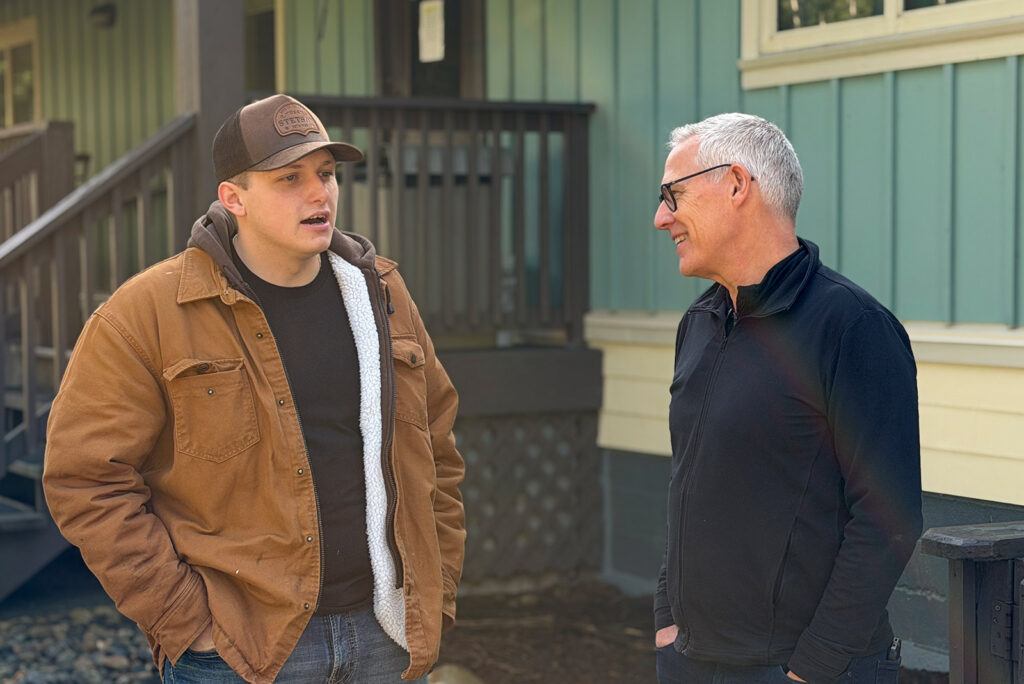
As stability increases, treatment can address the issues beneath substance use. These may include trauma, grief, family breakdown, unhealthy beliefs, damaged relationships, or a lack of purpose and belonging.
This part of the stages of addiction recovery often requires patience. Progress may not always look dramatic. A resident might need to revisit an earlier lesson, step back from a new responsibility, or receive additional support after a setback. That does not necessarily mean the program is failing. Taking a few steps back can sometimes be what helps a person regain stability and continue making progress.
Families benefit from understanding this distinction. Expecting someone to continually “move forward” can create pressure and disappointment. Looking for meaningful progress allows room for honesty, correction, and growth without demanding perfection.
4. Aftercare and Relapse Prevention
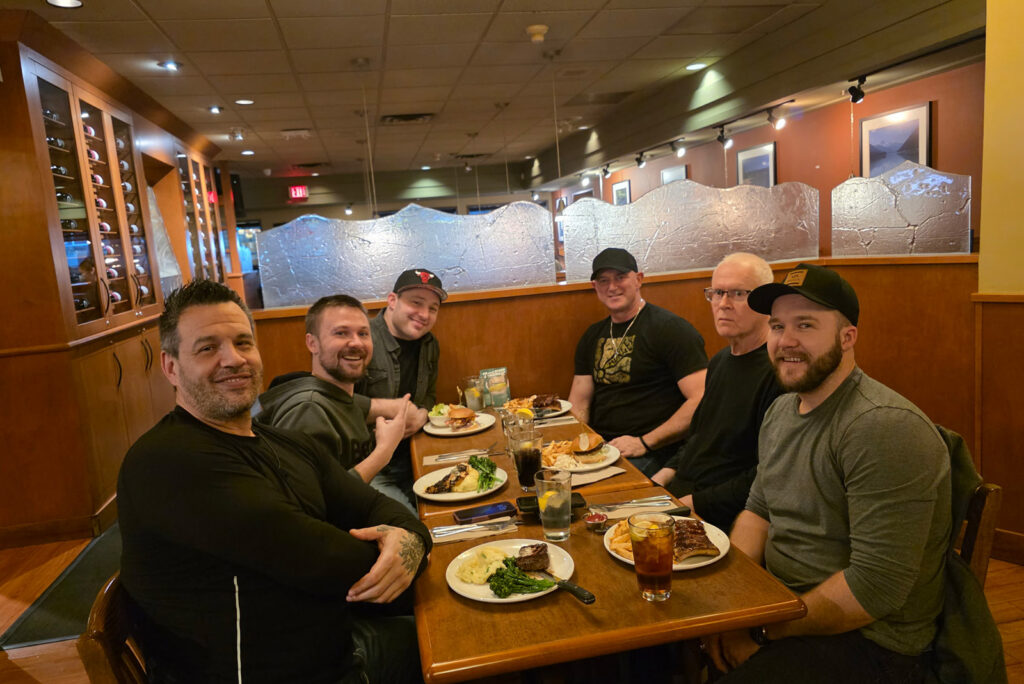
Aftercare should begin before a resident leaves treatment. In the stages of addiction recovery, this is the bridge between the structure of residential care and the greater independence of life outside the program.
A practical aftercare plan may include:
- Ongoing counselling or recovery meetings
- Mentorship and peer support
- Safe and stable housing
- Medical and mental health care
- Family support and healthy boundaries
- A written relapse-prevention plan
- Clear steps to take if warning signs appear
Residents learn to recognize personal risks such as isolation, resentment, exhaustion, overconfidence, or reconnecting with unsafe people and environments. They also identify protective routines and trusted people they can contact early.
5. Gradual Reintegration into Daily Life
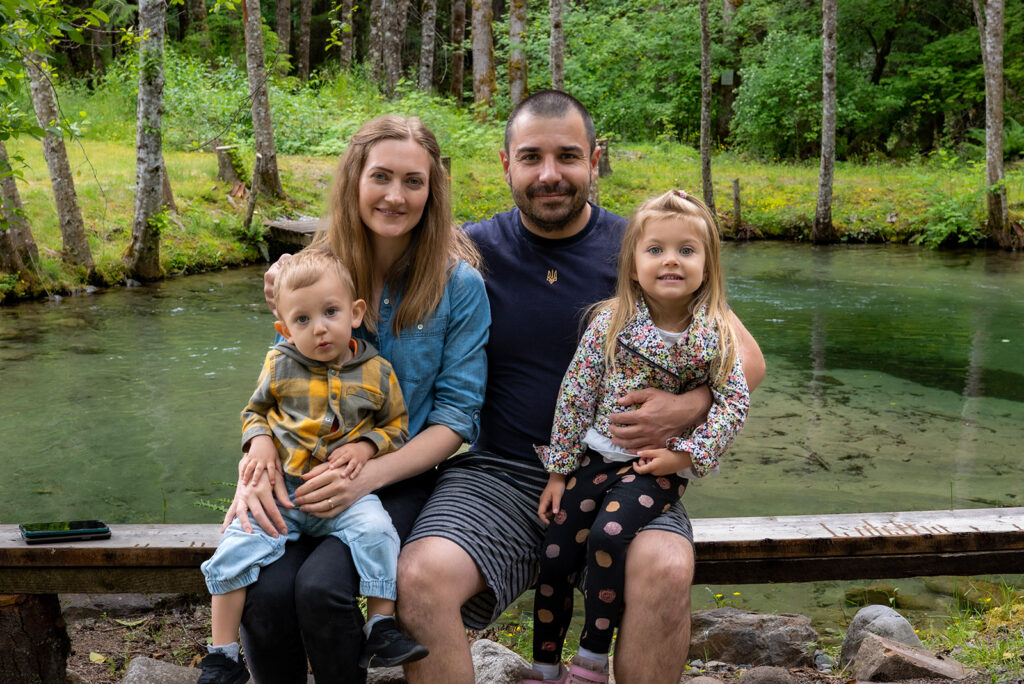
Later stages of addiction recovery may include a carefully paced return to employment, education, volunteering, or independent living. Rather than changing everything at once, residents can take on responsibilities gradually while continuing to receive support.
Someone may begin with volunteering, part-time work, upgrading courses, or supervised community involvement. The pace should reflect his stability, abilities, goals, and support needs—not an arbitrary timeline.
A long-term rehab program in Abbotsford can provide space to practise balancing work, relationships, rest, recovery commitments, and everyday responsibilities. This gradual transition helps residents build confidence without losing the routines and relationships that support recovery.
Recovery Is Progress, Not Perfection
The stages of addiction recovery provide structure, but every person’s experience is different. Some men need more time in a particular stage. Others may return to a higher level of support when life becomes difficult. Recovery is not measured by uninterrupted progress or the absence of struggle.
When families understand the stages of addiction recovery, they can replace pressure with healthier expectations. The most meaningful question is not always, “Is he moving forward?” It may be, “Is he making honest, sustainable progress—and does he have the support he needs to get back on track?”

Take the Next Step
Recovery is built through steady progress, practical support, and a community that cares. Learn more about Joshua House’s residential recovery program, make a donation to support men rebuilding their lives, or discover how you can get involved.
